 6377511211
 myphysioindia@gmail.com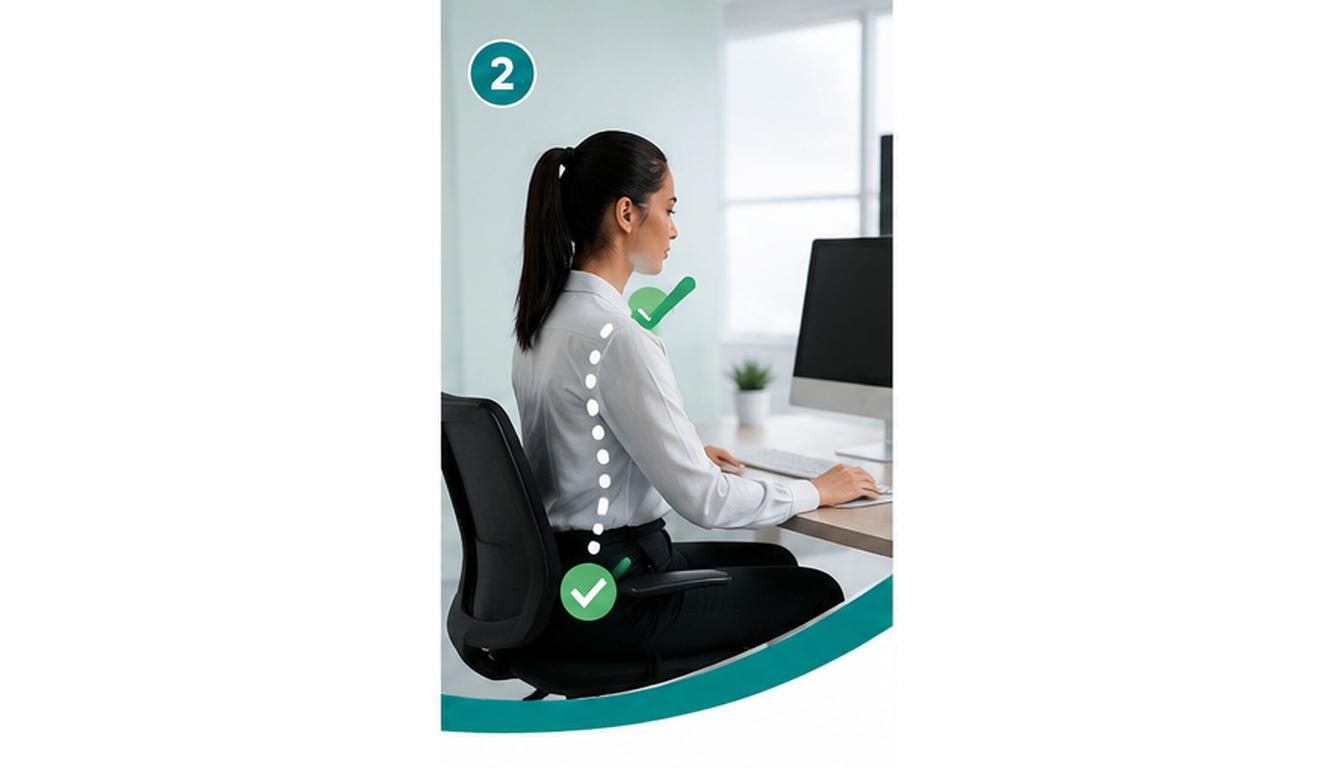
10 Signs You Need Posture Correction Therapy Before Pain Gets Worse
Good posture plays an important role in keeping your muscles, joints, and spine properly aligned. However, long hours of sitting, excessive screen time, incorrect sleeping positions, and poor workplace habits can gradually affect your posture.
Poor posture may initially seem harmless, but over time it can contribute to neck pain, back pain, shoulder stiffness, headaches, and reduced mobility. Posture correction therapy can help identify these problems and improve your body alignment through personalized physiotherapy.
At My Physio Multispeciality Clinic in Jaipur, our physiotherapists provide customized posture correction programs based on individual needs.
What Is Posture Correction Therapy?
Posture correction therapy is a physiotherapy-based approach designed to improve body alignment, muscle balance, flexibility, and movement patterns. Depending on your condition, treatment may include stretching, strengthening exercises, manual therapy, ergonomic guidance, and movement correction.
10 Signs You May Need Posture Correction Therapy
1. Frequent Neck Pain
If you regularly experience neck discomfort, especially after working on a computer or using your phone, poor posture could be contributing to the problem.
2. Recurring Back Pain
Sitting or standing incorrectly for long periods can place additional stress on the muscles and structures of the back. Persistent back discomfort may indicate that your posture needs attention.
3. Rounded Shoulders
Shoulders that naturally move forward while sitting or standing can be a sign of poor posture. Posture correction exercises can help improve shoulder positioning and muscle balance.
4. Headaches After Screen Time
Spending several hours looking down at a phone or computer can place strain on the neck and upper back. This may contribute to headaches in some people.
5. Uneven Shoulder or Hip Position
If one shoulder or hip appears higher than the other, it may indicate an imbalance in posture or movement that should be evaluated by a qualified physiotherapist.
6. Difficulty Sitting for Long Periods
If you frequently need to change your position because of discomfort while sitting, your posture, muscle endurance, or workstation setup may need improvement.
7. Muscle Tightness and Stiffness
Regular tightness in the neck, shoulders, chest, hips, or lower back can sometimes be associated with prolonged poor positioning and muscle imbalance.
8. Reduced Flexibility
Poor movement patterns may gradually affect flexibility. Difficulty bending, turning, reaching, or maintaining certain positions can be a reason to seek professional assessment.
9. Pain While Walking or Standing
Postural problems can affect how your body distributes weight during standing and movement. If you experience recurring discomfort while walking or standing, physiotherapy assessment may help identify contributing factors.
10. Your Posture Changes When You Get Tired
If you notice that your head moves forward, shoulders become rounded, or your back slouches as the day progresses, your muscles may not be adequately supporting your posture.
How Posture Correction Therapy Can Help
A personalized posture correction program may help:
- Improve body alignment
- Reduce muscle strain
- Improve flexibility
- Strengthen weak muscles
- Improve movement patterns
- Reduce posture-related discomfort
- Improve sitting and standing habits
- Support better workplace ergonomics
Who Can Benefit From Posture Correction?
Posture correction can be useful for people who:
- Work long hours at a desk
- Frequently use smartphones or computers
- Experience recurring neck or back discomfort
- Spend long periods driving
- Have reduced flexibility
- Are recovering from an injury
- Want to improve their movement and body mechanics
Posture Correction at My Physio Multispeciality Clinic, Jaipur
At My Physio Multispeciality Clinic, posture correction treatment is planned according to your individual condition. Our physiotherapists assess your posture, movement, flexibility, and muscle strength before recommending suitable exercises and treatment techniques.
Depending on your needs, treatment may include exercise therapy, manual therapy, stretching, strengthening exercises, and ergonomic advice.
Conclusion
Poor posture can gradually affect your comfort, mobility, and daily activities. Recognizing the warning signs early can help you take appropriate steps before the problem becomes more difficult to manage.
 Whatsapp No. : 9782468066