 6377511211
 myphysioindia@gmail.com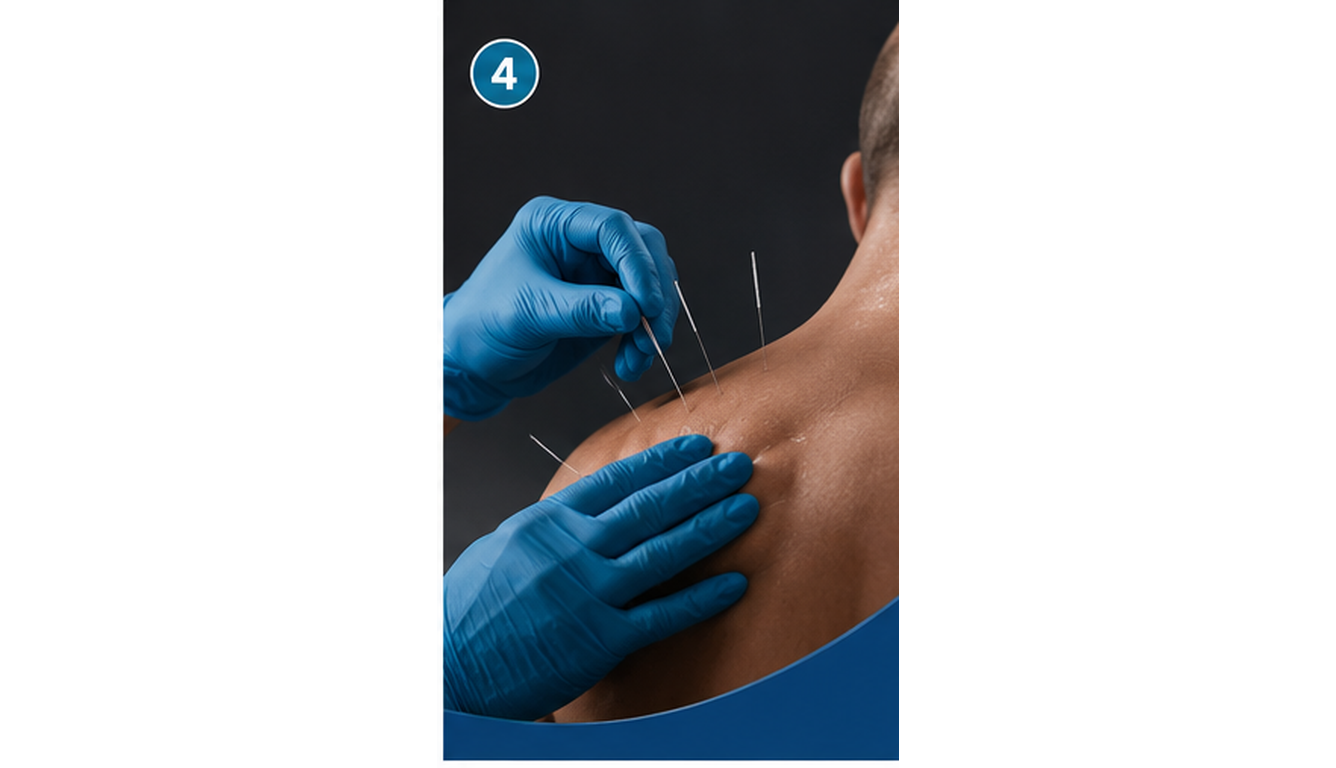
Benefits of Dry Needling Therapy for Chronic Muscle Pain and Trigger Points
Chronic muscle pain and tightness can make everyday activities uncomfortable. When muscle tension continues for a long time, it may affect flexibility, movement, and overall quality of life. Dry Needling Therapy is an advanced physiotherapy technique that may be used to address certain painful muscle areas and myofascial trigger points.
At My Physio Multispeciality Clinic, Jaipur, dry needling may be included as part of a personalized physiotherapy and rehabilitation program after appropriate assessment.
What Is Dry Needling Therapy?
Dry needling is a physiotherapy technique in which a trained professional uses very thin needles to target specific areas of muscle, particularly myofascial trigger points.
The goal is to help reduce muscle tightness and pain and improve movement. It is different from acupuncture, as dry needling is generally based on musculoskeletal assessment and treatment principles.
What Are Myofascial Trigger Points?
Trigger points are sensitive areas that can develop within tight bands of muscle. They may be associated with:
- Local muscle pain
- Muscle tightness
- Tenderness
- Reduced flexibility
- Difficulty with certain movements
- Pain that may spread to nearby areas
A physiotherapist evaluates the painful area before deciding whether dry needling is appropriate.
Benefits of Dry Needling Therapy
1. May Help Reduce Muscle Pain
Dry needling can be used as part of a treatment plan to help manage pain associated with certain muscular conditions.
2. Helps Address Muscle Tightness
Targeting specific tight muscle areas may help improve muscle relaxation and make movement more comfortable.
3. May Improve Mobility
When pain and muscle tightness limit movement, dry needling combined with appropriate exercises may help improve flexibility and mobility.
4. Helps Treat Trigger Points
One of the common applications of dry needling is targeting myofascial trigger points identified during a physical assessment.
5. Supports Sports Injury Rehabilitation
Athletes may develop muscle tightness or painful trigger points following repetitive activity or injury. Dry needling may be incorporated into a broader sports rehabilitation program when clinically appropriate.
6. May Support Recovery
Dry needling can be combined with exercise therapy, stretching, manual therapy, and other rehabilitation techniques to support recovery and return to normal activities.
7. Can Complement Other Physiotherapy Treatments
Dry needling does not necessarily have to be used alone. Depending on the patient's condition, a physiotherapist may combine it with:
- Manual Therapy
- Exercise Therapy
- Stretching
- Mobility Exercises
- Posture Correction
- Electrotherapy
- Sports Rehabilitation
Conditions Where Dry Needling May Be Considered
Depending on the individual assessment, dry needling may be considered as part of physiotherapy for certain conditions involving muscular pain and tightness, such as:
- Neck muscle pain
- Shoulder muscle tightness
- Back muscle pain
- Sports-related muscle problems
- Myofascial pain
- Muscle trigger points
- Certain movement restrictions
The suitability of dry needling varies from person to person.
Is Dry Needling Painful?
Some people experience a brief prick or mild discomfort during the procedure. Temporary soreness may also occur after treatment.
The experience can vary depending on the treatment area and individual sensitivity. A trained physiotherapist should explain the procedure and potential effects before treatment.
Why Professional Assessment Is Important
Dry needling should be performed by an appropriately trained healthcare professional. Before treatment, your physiotherapist should evaluate your symptoms, medical history, physical condition, and treatment goals.
It is important not to assume that every type of muscle pain requires dry needling. In some cases, another treatment approach may be more appropriate.
Dry Needling Therapy at My Physio Multispeciality Clinic, Jaipur
At My Physio Multispeciality Clinic, Jaipur, dry needling therapy is provided as part of a personalized physiotherapy approach.
Our physiotherapists assess the patient's condition and may combine dry needling with therapeutic exercises, manual therapy, mobility training, and other suitable rehabilitation techniques.
When Should You Consult a Physiotherapist?
Consider a professional assessment if you have:
- Persistent muscle pain
- Recurrent muscle tightness
- Restricted movement
- Pain during physical activity
- Sports-related muscle problems
- Trigger-point tenderness
- Pain that is affecting your daily activities
Early assessment can help identify the underlying cause and guide an appropriate treatment plan.
Conclusion
Dry Needling Therapy can be a useful component of physiotherapy for selected patients experiencing muscle pain, tightness, and myofascial trigger points. When appropriately assessed and performed by a trained professional, it can be combined with exercises and other rehabilitation techniques to support pain management and improved movement.
If chronic muscle pain or stiffness is affecting your daily life, consult the physiotherapy team at My Physio Multispeciality Clinic in Jaipur for a personalized assessment and treatment plan.
 Whatsapp No. : 9782468066