 6377511211
 myphysioindia@gmail.com
Cervical Disc Bulge in Jaipur: Neck Pain, Arm Tingling & Physiotherapy Management
Neck pain, shoulder discomfort, and tingling in the arms can make everyday activities difficult. Tasks such as working on a computer, driving, sleeping comfortably, or lifting objects may become challenging. In some cases, these symptoms are associated with a cervical disc bulge.
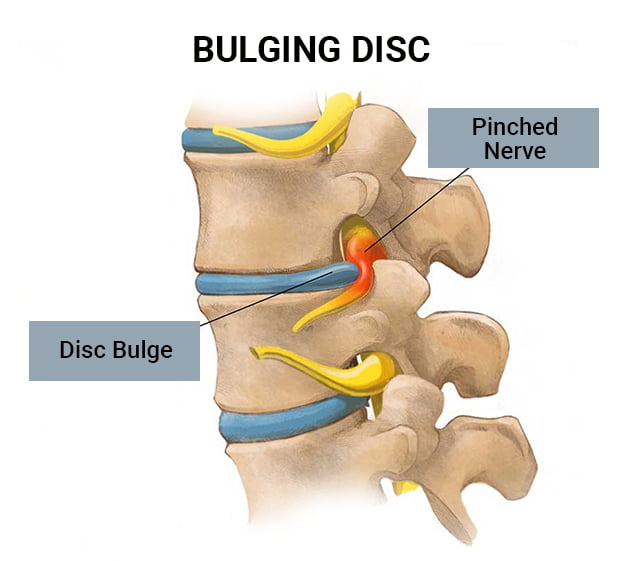
A cervical disc bulge occurs when a disc in the neck extends beyond its usual boundary. Depending on its location, it may irritate nearby nerves and cause pain, numbness, or tingling that travels into the shoulder, arm, or hand.
At My Physio Multispeciality Clinic in Jaipur, physiotherapy may help suitable patients manage symptoms, improve neck mobility, and restore functional movement through an individualized rehabilitation programme.
What Is a Cervical Disc Bulge?
The cervical spine consists of seven vertebrae in the neck. Soft intervertebral discs sit between these bones, helping absorb forces and allowing the neck to move.
A cervical disc bulge develops when the outer edge of a disc extends beyond its normal boundary. This change may occur because of age-related wear, repeated strain, or other spinal changes.
Not every cervical disc bulge causes pain. Some people have disc changes visible on an MRI without experiencing any symptoms. However, when a bulging disc irritates a nearby nerve, it may cause a condition known as cervical radiculopathy.
How Does a Cervical Disc Bulge Affect the Nerves?
Nerves travel from the cervical spine into the shoulders, arms, and hands. When a disc bulge or another spinal change irritates a nerve root, symptoms may appear along the affected nerve's pathway.
These symptoms can include:
-
Neck pain or stiffness
-
Pain spreading into the shoulder or arm
-
Tingling or pins and needles in the fingers
-
Numbness in parts of the arm or hand
-
Reduced grip strength or muscle weakness in some cases
The location of symptoms depends on which nerve is affected. A clinical assessment helps determine whether the symptoms are related to the cervical spine or another condition.
Common Symptoms of Cervical Disc Bulge
Cervical disc bulge symptoms vary according to the affected disc, degree of nerve irritation, and individual health factors.
1. Neck Pain and Stiffness
Neck pain is a common symptom associated with cervical spine problems. You may notice discomfort while turning your head, looking down at a phone, or maintaining the same position for a long time.
Some people also experience stiffness after waking up or following prolonged desk work.
2. Tingling in the Arm or Fingers
Tingling may occur when a cervical nerve becomes irritated. You might feel pins and needles travelling from the neck or shoulder into the arm, wrist, or fingers.
Persistent or worsening tingling should be assessed by a healthcare professional, particularly when it occurs alongside weakness or loss of sensation.
3. Pain Radiating to the Shoulder and Arm
A cervical disc bulge may cause pain that travels away from the neck. The discomfort can feel sharp, burning, aching, or electric.
In some cases, arm pain may be more noticeable than neck pain. This pattern can occur with cervical radiculopathy.
4. Numbness in the Hand
Nerve irritation may reduce sensation in certain fingers or areas of the hand. Depending on the affected nerve, numbness may also extend into the forearm.
Other conditions, including peripheral nerve compression, can cause similar symptoms. Therefore, an accurate assessment is important.
5. Muscle Weakness
If a nerve is significantly affected, certain muscles may become weak. You may notice difficulty lifting objects, gripping firmly, or performing tasks that previously felt easy.
New or progressive weakness requires prompt medical evaluation rather than relying on exercises alone.
6. Headaches and Shoulder Discomfort
Some people with cervical spine problems experience pain around the shoulders or headaches that begin near the back of the head. However, these symptoms can have several causes and do not confirm a disc bulge by themselves.
What Causes a Cervical Disc Bulge?
Several factors may contribute to cervical disc changes. Often, more than one factor is involved.
1. Age-Related Changes
As people age, spinal discs may gradually lose water content and flexibility. These changes can make discs more vulnerable to bulging or other forms of degeneration.
2. Prolonged Screen Use
Looking down at a phone or working at a computer for extended periods can increase neck discomfort in some people. Poorly adjusted workstations and limited movement breaks may contribute to muscle fatigue and stiffness.
However, screen use alone does not prove that a cervical disc bulge has developed.
3. Repetitive Neck Strain
Repeated movements, prolonged awkward positioning, or physically demanding activities may contribute to neck discomfort. Gradually building strength and varying your posture throughout the day can support better movement habits.
4. Previous Neck Injury
A fall, accident, or sudden force affecting the neck may damage spinal structures. If neck pain develops after a significant injury, seek medical assessment before beginning exercises.
5. Disc Degeneration
Changes in the discs and joints of the cervical spine may develop over time. These changes sometimes contribute to narrowing around the nerve roots, resulting in pain, tingling, or weakness.
6. Genetic and Individual Factors
Family history, body structure, occupation, and other individual factors may influence spinal health. However, a person's symptoms cannot be predicted from these factors alone.
How Is a Cervical Disc Bulge Diagnosed?
Neck pain and arm tingling can arise from several conditions. A proper assessment helps identify the likely cause and determine whether further investigation is necessary.
Medical History
A healthcare professional may ask when your symptoms began, whether pain travels into your arm, which fingers feel numb, and whether any movements make your symptoms worse.
They may also ask about previous injuries, daily activities, and any changes in grip strength or coordination.
Physical and Neurological Examination
The examination may include:
-
Assessment of neck movement
-
Testing arm and hand strength
-
Checking sensation and reflexes
-
Evaluating shoulder movement
-
Assessing coordination and walking when indicated
These checks help identify possible nerve involvement and determine whether additional medical assessment is needed.
MRI Scan
An MRI can show cervical discs, nerve structures, and the spinal cord. A doctor may recommend it when symptoms are persistent, neurological findings are concerning, or imaging could influence treatment decisions.
An MRI is not required for every episode of neck pain. Disc bulges may also appear in people without symptoms, so scan findings must be interpreted alongside the clinical examination.
Physiotherapy for Cervical Disc Bulge in Jaipur
Physiotherapy may help suitable patients reduce activity-related discomfort, improve movement, and regain confidence with daily activities. Treatment should be individualized according to symptoms, examination findings, and neurological status.
At My Physio Multispeciality Clinic in Jaipur, a physiotherapy programme may include the following approaches when appropriate.
1. Gentle Neck Mobility Exercises
Controlled movements may help maintain neck mobility and reduce stiffness. The exercises should be selected according to the patient's symptoms and tolerance.
Avoid forcing the neck into painful positions or performing repeated movements that increase arm tingling, numbness, or weakness.
2. Deep Neck Muscle Strengthening
Specific exercises may help improve the strength and endurance of muscles that support the neck. A physiotherapist can teach suitable techniques and progress the programme gradually.
The goal is to improve movement control and functional capacity rather than forcefully stretching or manipulating the neck.
3. Shoulder and Upper-Back Strengthening
The shoulder blades and upper-back muscles contribute to comfortable neck and arm movement. Depending on your assessment, strengthening exercises may help improve muscular endurance during desk work and daily activities.
Exercises should be adjusted if they reproduce radiating pain or neurological symptoms.
4. Posture and Ergonomic Guidance
Small changes to your work environment may help reduce unnecessary neck strain. Practical recommendations can include:
-
Positioning the computer screen near eye level
-
Keeping frequently used items within comfortable reach
-
Supporting your forearms while working
-
Taking regular movement breaks
-
Avoiding prolonged positions that aggravate symptoms
There is no single perfect posture for everyone. Regular movement and a comfortable workstation are often more useful than holding one rigid position throughout the day.
5. Nerve-Related Rehabilitation
Some patients may benefit from carefully selected nerve mobility exercises. These should only be introduced when appropriate because certain movements may aggravate symptoms.
A physiotherapist can determine whether these exercises are suitable and teach you how to perform them safely.
6. Gradual Return to Daily Activities
Neck pain and arm symptoms may affect driving, computer work, household tasks, and exercise. A rehabilitation plan can help you gradually return to these activities while monitoring your response.
Progress should depend on symptom improvement, strength, movement, and overall function.
7. Education and Home Exercises
A home programme may help maintain progress between appointments. Your physiotherapist can explain which movements are appropriate, how frequently to practise them, and when to stop or seek further advice.
Important: Avoid forceful neck manipulation or unsupervised traction, especially when you have arm weakness, significant numbness, or suspected spinal cord involvement.
Can a Cervical Disc Bulge Improve Without Surgery?
Many people with cervical disc-related symptoms improve with non-surgical care. Depending on the clinical findings, treatment may include activity modification, appropriate physiotherapy, and medication prescribed by a doctor.
However, recovery varies. Physiotherapy can help improve movement and function, but it cannot guarantee that a disc will return to its original shape.
A specialist may recommend further treatment if symptoms remain severe, neurological problems progress, or the spinal cord is affected.
Surgery may be considered in selected cases when nerve compression causes persistent disabling symptoms or when there is significant spinal cord compression. The decision depends on clinical findings and specialist advice.
When Should You Seek Medical Attention?
Although many cervical disc problems can be managed without surgery, certain symptoms need prompt medical attention.
Seek urgent medical assessment if you experience:
-
New or worsening weakness in an arm or hand
-
Numbness that is rapidly increasing
-
Problems with balance or walking
-
Increasing difficulty with buttons, writing, or other fine hand movements
-
Symptoms affecting both arms or involving the legs
Seek emergency medical care if neck symptoms are accompanied by sudden major weakness, sudden difficulty walking, loss of bladder or bowel control, or other sudden neurological changes.
Do not delay assessment to try exercises if these warning signs occur.
Tips for Managing Cervical Disc Bulge Symptoms at Home
Alongside professional care, certain habits may help you manage everyday neck discomfort.
Maintain Comfortable Neck Positions
Adjust your workstation, phone position, and sleeping arrangements to avoid positions that consistently aggravate symptoms.
Take Regular Movement Breaks
If you work at a desk, change positions regularly and take short movement breaks. Avoid remaining in one position for prolonged periods whenever possible.
Follow a Suitable Exercise Programme
Gentle movement may help maintain mobility. However, exercises should be appropriate for your symptoms, especially if tingling, numbness, or weakness is present.
Avoid Heavy Lifting During Flare-Ups
Temporarily reduce activities that significantly worsen your symptoms. Return to normal activities gradually as your symptoms and functional ability improve.
Seek Advice for Persistent Symptoms
If neck pain continues for several weeks, repeatedly returns, or spreads into the arm, arrange an assessment with a qualified healthcare professional.
Frequently Asked Questions About Cervical Disc Bulge
1. What are the most common symptoms of a cervical disc bulge?
Common symptoms include neck pain, stiffness, shoulder discomfort, arm pain, tingling, and numbness. Some people may also experience muscle weakness if a nerve is affected.
2. Can a cervical disc bulge cause tingling in the fingers?
Yes. A cervical disc bulge may irritate a nerve root that supplies the arm and hand, causing tingling or numbness in particular fingers. Other conditions can produce similar symptoms, so an assessment is important.
3. Can physiotherapy help with a cervical disc bulge?
Physiotherapy may help suitable patients improve neck mobility, muscular strength, and daily function. Treatment should be tailored to the symptoms and neurological examination.
4. Do all cervical disc bulges require an MRI?
No. An MRI is not necessary for every case of neck pain. A doctor may recommend imaging when symptoms persist, significant nerve involvement is suspected, or the results could affect treatment.
5. Is surgery necessary for a cervical disc bulge?
Not always. Many people improve with non-surgical management. Surgery may be considered when symptoms remain disabling despite appropriate treatment or when significant nerve or spinal cord compression is present.
6. How should I sleep with a cervical disc bulge?
Choose a comfortable sleeping position that keeps your neck reasonably aligned with your body. A supportive pillow may help, but the best choice varies between individuals. Seek professional advice if sleeping consistently aggravates arm pain or numbness.
7. When should I consult a physiotherapist in Jaipur?
Consider an assessment if neck pain, stiffness, or arm discomfort is interfering with work, sleep, or everyday activities. If you have progressive weakness, coordination problems, or difficulty walking, seek prompt medical evaluation first.
Consult My Physio Multispeciality Clinic in Jaipur
If neck pain, arm tingling, or stiffness is affecting your daily routine, a professional assessment can help determine suitable treatment options. My Physio Multispeciality Clinic in Jaipur offers physiotherapy services focused on mobility, strength, pain management, and functional rehabilitation.
Clinic: My Physio Multispeciality Clinic, Jaipur
Director: Prof. (Dr.) Atul Kumar Singh
Phone: 6377511211
Email: myphysioindia@gmail.com
Address: Shop No. 2F-303, opposite Metro Pillar 103, New Sanganer Road, near Lajeez Hotel, Shyam Nagar, Jaipur, Rajasthan.
Website: https://myphysiojaipur.in/
Instagram: https://www.instagram.com/myphysioindia/
YouTube: https://www.youtube.com/@myphysio7201
X: https://x.com/myphysioindia?s=21
Contact the clinic to discuss your symptoms and arrange an assessment if appropriate.
Disclaimer: This article is for general educational purposes only and does not replace a medical examination, diagnosis, or individualized treatment advice.
 Whatsapp No. : 9782468066