 6377511211
 myphysioindia@gmail.com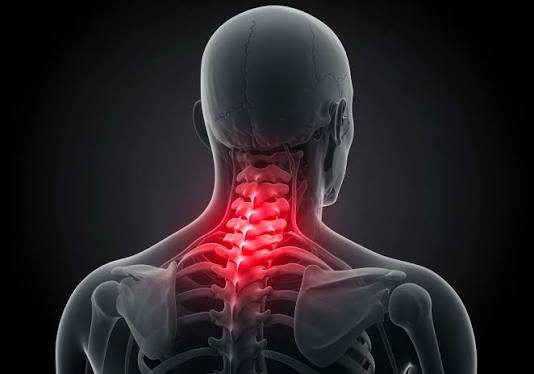
Cervical Spondylosis in Jaipur: Symptoms, Causes & Physiotherapy for Neck Pain Relief
Cervical spondylosis is a common condition affecting the bones, discs, and joints of the neck. It usually develops gradually due to age-related changes in the cervical spine. However, prolonged sitting, poor posture, repetitive neck movements, and extended screen time may also contribute to neck discomfort.
Neck pain and stiffness can interfere with work, sleep, driving, and everyday activities. Physiotherapy can be an important part of managing cervical spondylosis by improving mobility, strengthening supportive muscles, and helping patients develop healthier movement and posture habits.
What Is Cervical Spondylosis?
Cervical spondylosis refers to degenerative changes in the cervical spine. Over time, the discs between the vertebrae may lose flexibility, while changes can also occur in the joints and surrounding structures.
These changes do not always cause symptoms. When symptoms occur, they may include neck pain, stiffness, reduced movement, or discomfort that extends toward the shoulders and arms.
Common Symptoms of Cervical Spondylosis
Symptoms can vary from person to person. Common symptoms may include:
1. Neck Pain
Persistent or recurring neck pain is one of the most common symptoms. Pain may become more noticeable after prolonged sitting or certain neck movements.
2. Neck Stiffness
Some people experience stiffness, particularly after waking up or remaining in one position for a long time.
3. Reduced Neck Movement
Turning or bending the neck may become uncomfortable or restricted.
4. Headaches
Neck-related muscle tension may contribute to headaches, particularly around the back of the head.
5. Shoulder Pain
Discomfort may sometimes extend from the neck toward the shoulders.
6. Tingling or Numbness
If a nerve is irritated or compressed, symptoms such as tingling, numbness, or weakness may develop in the arm or hand. These symptoms should be assessed by a qualified healthcare professional.
What Causes Cervical Spondylosis?
Cervical spondylosis is commonly associated with gradual wear and tear of the cervical spine. Factors that may contribute include:
- Age-related changes in the spine
- Poor sitting posture
- Long hours using computers or mobile phones
- Repetitive neck movements
- Previous neck injuries
- Weak neck and upper-back muscles
- Prolonged static positions
- Lack of regular physical activity
How Can Physiotherapy Help With Cervical Spondylosis?
Physiotherapy for cervical spondylosis focuses on managing symptoms and improving movement and function. A physiotherapist first evaluates posture, neck mobility, muscle strength, movement patterns, and symptoms before developing an individualized treatment plan.
Exercise Therapy
Specific exercises may help improve neck and upper-back strength and flexibility. Exercises are selected according to the individual's condition and physical ability.
Posture Correction
Poor posture can place additional stress on the neck. Physiotherapy may include posture education and practical advice for sitting, working, and using digital devices.
Manual Therapy
Depending on the assessment, a physiotherapist may use appropriate manual therapy techniques to help improve joint and soft-tissue mobility.
Pain Management
Physiotherapy may include suitable techniques to help manage pain and muscle tightness as part of a comprehensive treatment plan.
Ergonomic Guidance
Simple changes to your workstation, sitting position, monitor height, and daily habits may help reduce unnecessary strain on the neck.
Why Early Physiotherapy May Be Helpful
Ignoring recurring neck pain may lead to reduced activity and increasing stiffness. Starting an appropriate rehabilitation program can help you understand your condition and work toward better mobility and daily function.
The treatment plan should always be based on an individual assessment rather than using the same exercises for everyone.
When Should You Consult a Physiotherapist?
Consider professional assessment if you experience:
- Frequent or persistent neck pain
- Neck stiffness that affects daily activities
- Difficulty moving your neck
- Recurrent headaches associated with neck discomfort
- Shoulder or upper-back discomfort
- Tingling or numbness in the arm or hand
- Symptoms that interfere with work, sleep, or exercise
If you experience significant weakness, severe or rapidly worsening symptoms, or other concerning neurological symptoms, seek medical evaluation promptly.
Cervical Spondylosis Physiotherapy in Jaipur
At My Physio Multispeciality Clinic, Jaipur, physiotherapy can be planned according to your symptoms, mobility, strength, posture, and functional requirements. The goal is to support better movement, manage discomfort, and help you return to daily activities with greater confidence.
A personalized approach may combine therapeutic exercises, posture correction, mobility work, manual therapy, and other appropriate physiotherapy techniques based on assessment.
Conclusion
Cervical spondylosis can cause neck pain, stiffness, reduced mobility, and sometimes symptoms extending toward the shoulder or arm. While age-related changes cannot always be reversed, appropriate physiotherapy and lifestyle modifications may help manage symptoms and improve movement.
If you are experiencing persistent neck pain or stiffness, a professional assessment can help determine the most suitable treatment approach.
 Whatsapp No. : 9782468066