 6377511211
 myphysioindia@gmail.com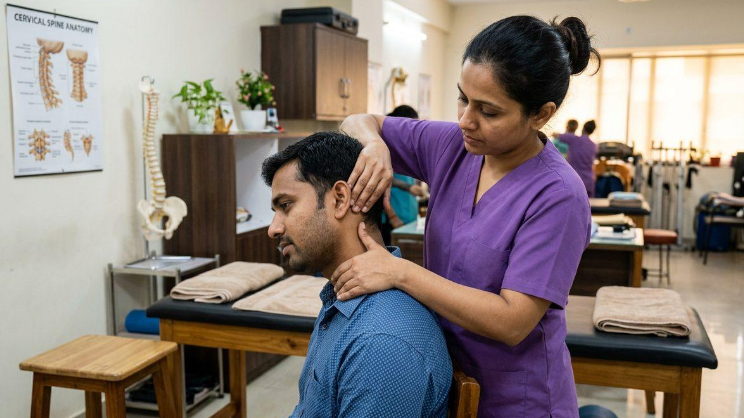
Cervical Spondylosis in Jaipur: Symptoms, Causes & Physiotherapy Treatment
Neck pain, stiffness, and difficulty turning your head can affect your ability to work, drive, sleep, and perform everyday activities. These symptoms may sometimes be associated with cervical spondylosis, a condition involving age-related changes in the bones, joints, and discs of the neck.
If you are looking for cervical spondylosis treatment in Jaipur, understanding the causes and available treatment options can help you make informed decisions about your care. Physiotherapy may help manage pain, improve neck mobility, and strengthen the muscles that support the cervical spine.
At My Physio Multispeciality Clinic Jaipur, physiotherapy and rehabilitation can be tailored to individual symptoms, physical limitations, and recovery goals.
What Is Cervical Spondylosis?
Cervical spondylosis refers to age-related wear and tear affecting the cervical spine, which is the part of the spine located in the neck. Over time, the intervertebral discs may lose height and flexibility, while the surrounding joints and bones may develop degenerative changes.
Many people have cervical spondylosis without experiencing noticeable symptoms. However, some individuals develop neck pain, stiffness, headaches, or reduced movement.
In certain cases, changes in the cervical spine can irritate or compress nearby nerves. This may cause pain, tingling, numbness, or weakness that travels into the shoulder, arm, or hand.
When the spinal cord becomes compressed, symptoms can be more serious and require prompt medical assessment.
Common Symptoms of Cervical Spondylosis
Symptoms vary depending on the severity of the condition and whether the nerves or spinal cord are affected.
1. Neck Pain and Stiffness
Persistent neck discomfort is a common symptom. You may find it difficult to turn your head comfortably or maintain one position for a long time.
2. Reduced Neck Mobility
Degenerative changes and muscle stiffness can restrict neck movements. Looking over your shoulder or tilting your head may become uncomfortable.
3. Shoulder and Upper Back Discomfort
Pain may spread from the neck into the shoulders or upper back. Muscle tension can also contribute to discomfort around these areas.
4. Headaches
Some people experience headaches that begin around the neck or the back of the head. However, headaches can have many causes, so persistent or unusual headaches require appropriate assessment.
5. Tingling or Numbness in the Arms
When a cervical nerve becomes irritated or compressed, symptoms may travel into the shoulder, arm, or fingers. You may notice pins and needles or reduced sensation.
6. Muscle Weakness
Nerve involvement can sometimes affect arm or hand strength. Difficulty gripping objects or lifting the arm deserves medical evaluation, particularly if it is new or worsening.
7. Balance and Walking Difficulties
Spinal cord compression can cause problems with balance, coordination, walking, or hand dexterity. These symptoms should not be treated as ordinary neck stiffness and need prompt medical assessment.
What Causes Cervical Spondylosis?
Cervical spondylosis usually develops gradually. Several factors may contribute to changes in the cervical spine.
Age-Related Changes
As people age, spinal discs can lose water content and become less flexible. The joints and surrounding structures may also develop degenerative changes.
Prolonged Screen Use
Spending long periods looking at a phone or computer may increase neck discomfort, especially when movement is limited. Screen use does not automatically cause cervical spondylosis, but work habits can aggravate existing symptoms.
Previous Neck Injuries
Past injuries may contribute to changes in the cervical spine. The relationship depends on the type and severity of the injury.
Repetitive Physical Strain
Activities involving repeated neck movements or sustained positions may contribute to discomfort and muscle fatigue.
Genetic Factors
Family history and individual differences in spinal structure may influence the likelihood of developing degenerative spinal changes.
How Is Cervical Spondylosis Diagnosed?
An accurate assessment helps determine whether neck pain is related to cervical spondylosis or another condition.
A healthcare professional may review your symptoms, medical history, work habits, and previous injuries. The physical examination may include checking neck movement, muscle strength, sensation, reflexes, and relevant neurological function.
Imaging, such as an X-ray or MRI, may be recommended when symptoms or examination findings suggest that further investigation is necessary. Imaging is not always required for uncomplicated neck pain.
A clinical assessment is particularly important when symptoms include arm weakness, persistent numbness, balance problems, or difficulty with hand coordination.
How Physiotherapy Helps With Cervical Spondylosis in Jaipur
Physiotherapy can help many people manage symptoms and maintain function. The treatment plan depends on the patient's symptoms, examination findings, and any nerve involvement.
1. Individualized Physiotherapy Assessment
A physiotherapist assesses neck movement, muscle function, posture, and daily activities. This helps identify movements that aggravate discomfort and establish appropriate rehabilitation goals.
Your exercise programme should match your physical condition rather than follow a standard routine.
2. Gentle Neck Mobility Exercises
Controlled exercises may help improve neck movement and reduce stiffness. A physiotherapist can select comfortable movements and gradually adjust the range as your symptoms improve.
Avoid forcing the neck through painful movements or performing aggressive self-manipulation.
3. Neck and Shoulder Strengthening
Strengthening the muscles that support the neck and shoulder region may improve endurance and movement control.
Exercises can include carefully selected deep neck muscle activation, shoulder blade strengthening, and other movements appropriate to your assessment.
4. Posture and Ergonomic Guidance
Workstation adjustments and regular movement breaks can help manage discomfort during prolonged computer use.
Consider the following habits:
-
Keep your screen at a comfortable viewing height.
-
Support your back while sitting.
-
Relax your shoulders instead of holding them raised.
-
Change positions regularly throughout the day.
-
Take brief movement breaks during extended screen use.
There is no single perfect posture for everyone. Comfortable movement and avoiding prolonged static positions are often more useful than trying to remain rigidly upright all day.
5. Manual Therapy When Appropriate
Selected manual therapy techniques may help some patients improve comfort and movement. A trained physiotherapist can determine whether these techniques are suitable.
Treatment should be adapted to the patient's medical history and neurological findings. Forceful neck manipulation is not appropriate for every patient.
6. Strength and Endurance Training
Gradual strengthening of the neck, shoulders, and upper back may improve tolerance for daily tasks. Exercises should progress according to your symptoms and functional ability.
7. Home Exercise Programme
A suitable home programme can help you maintain progress between clinic visits. Your physiotherapist may recommend exercises and activity modifications based on your response to treatment.
Consistency is important, but exercises should not cause significant worsening of pain, new tingling, or weakness.
Which Exercises May Help Cervical Spondylosis?
The most appropriate exercises depend on your symptoms and examination findings. A physiotherapist may recommend:
-
Gentle neck range-of-motion exercises.
-
Deep neck muscle activation.
-
Shoulder blade strengthening.
-
Upper back mobility exercises.
-
Gentle shoulder and postural endurance exercises.
Do not begin aggressive neck exercises without assessment if you have significant arm weakness, persistent numbness, balance problems, or symptoms following an injury.
Stop an exercise if it causes worsening radiating pain, dizziness, new numbness, or weakness, and seek appropriate medical guidance.
Can Cervical Spondylosis Be Managed Without Surgery?
Many people manage cervical spondylosis with non-surgical treatment. Depending on the condition, this may include physiotherapy, exercise, activity modification, and medication prescribed by a qualified clinician.
Treatment aims to reduce symptoms, improve movement, and support daily function. It may not reverse age-related changes visible on imaging.
Surgery is not necessary for everyone. A specialist may consider it when there is significant spinal cord compression, progressive neurological weakness, or persistent symptoms that do not respond to appropriate conservative care.
The right approach depends on the severity of the condition and whether nerves or the spinal cord are affected.
When Should You Seek Medical Attention?
Most uncomplicated neck pain does not require emergency treatment. However, certain symptoms need prompt evaluation.
Seek urgent medical care if you experience:
-
New or progressive weakness in an arm or leg.
-
Difficulty walking or maintaining balance.
-
New problems with hand coordination or dexterity.
-
Loss of bladder or bowel control alongside neurological symptoms.
-
Severe neck pain after a significant accident or injury.
Seek immediate emergency assessment for sudden neurological symptoms or rapidly worsening weakness. Do not rely on physiotherapy alone when spinal cord compression or another serious condition is suspected.
Why Choose My Physio Multispeciality Clinic Jaipur?
Choosing appropriate care starts with understanding your symptoms and identifying suitable rehabilitation goals.
My Physio Multispeciality Clinic Jaipur provides physiotherapy and rehabilitation services for people experiencing neck pain, back pain, movement restrictions, and musculoskeletal conditions.
The clinic is led by Prof. (Dr.) Atul Kumar Singh, who has 15 years of experience in orthopaedics, sports physiotherapy, and rehabilitation.
Your physiotherapy plan may focus on:
-
Assessment of neck pain and mobility limitations.
-
Individualized therapeutic exercises.
-
Neck, shoulder, and upper back strengthening.
-
Guidance on movement habits and workstation ergonomics.
-
Progressive rehabilitation based on your symptoms and goals.
Treatment is tailored to the individual, and results vary depending on the underlying condition and clinical findings.
Book a Physiotherapy Consultation for Cervical Spondylosis in Jaipur
Neck pain and stiffness can affect your comfort, work, sleep, and everyday movement. Appropriate assessment can help identify the cause of your symptoms and determine whether physiotherapy is suitable.
If you are looking for cervical spondylosis treatment in Jaipur, contact My Physio Multispeciality Clinic to discuss your symptoms and rehabilitation options.
My Physio Multispeciality Clinic Jaipur
Phone: 6377511211
Email: myphysioindia@gmail.com
Address: Shop No. 2F-303, Opposite Metro Pillar 103, New Sanganer Road, Near Lajeez Hotel, Shyam Nagar, Jaipur, Rajasthan.
Website: https://myphysiojaipur.in/
Instagram: https://www.instagram.com/myphysioindia/
X (Twitter): https://x.com/myphysioindia?s=21
YouTube: https://www.youtube.com/@myphysio7201
Contact the clinic to discuss your symptoms and learn whether an individualized physiotherapy programme may help you manage neck discomfort and improve mobility.
Frequently Asked Questions
1. What is the best treatment for cervical spondylosis in Jaipur?
Treatment depends on the severity of symptoms and whether nerves or the spinal cord are affected. Physiotherapy, therapeutic exercises, activity modification, and medical management may help many patients.
2. Can physiotherapy help with cervical spondylosis?
Yes, physiotherapy may help improve neck mobility, muscle endurance, and daily function. The treatment plan should be adapted to your symptoms and clinical assessment.
3. Which exercises are good for cervical spondylosis?
Gentle neck mobility exercises, selected neck muscle strengthening, and shoulder blade exercises may be useful. The appropriate exercises depend on your condition and should not worsen your symptoms.
4. Can cervical spondylosis cause headaches?
Cervical spine problems can contribute to some headaches, particularly those associated with neck discomfort. However, headaches have several possible causes and may require medical assessment.
5. Is surgery necessary for cervical spondylosis?
No. Many people manage symptoms without surgery. However, significant spinal cord compression, progressive weakness, or other serious neurological symptoms may require specialist treatment.
6. When should I consult a physiotherapist for neck pain?
Consider an assessment if neck pain or stiffness persists, repeatedly returns, or interferes with daily activities. Seek prompt medical care for progressive weakness, balance problems, or changes in hand coordination.
 Whatsapp No. : 9782468066