 6377511211
 myphysioindia@gmail.com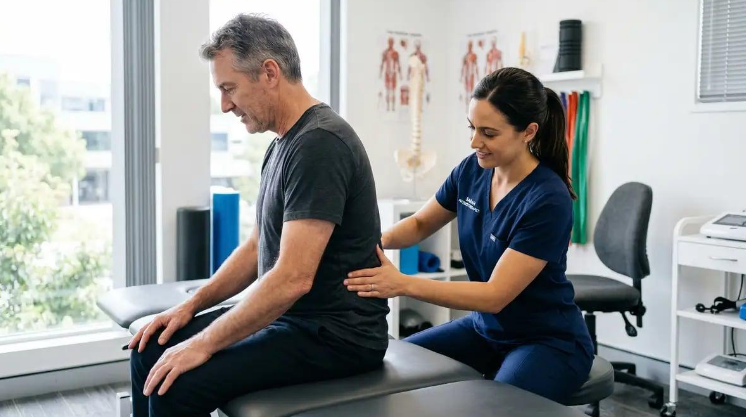
Chronic Lower Back Pain in Jaipur: Causes, Diagnosis & Physiotherapy Treatment
Chronic lower back pain can affect your ability to sit, stand, walk, sleep, and perform everyday activities comfortably. When discomfort continues for several weeks or repeatedly returns, it may interfere with work, exercise, and overall quality of life. Back pain lasting more than three months is generally considered chronic.
If you are looking for chronic lower back pain treatment in Jaipur, understanding the possible causes and available treatment options can help you take the right steps towards recovery. Physiotherapy may help improve strength, mobility, and physical function through an individualized rehabilitation programme.
At My Physio Multispeciality Clinic Jaipur, physiotherapy and rehabilitation can be tailored to your symptoms, activity limitations, and treatment goals.
What Is Chronic Lower Back Pain?
The lower back, also known as the lumbar region, supports much of the body's weight and helps with bending, lifting, and everyday movement. Pain in this area can arise from muscles, joints, spinal discs, nerves, or other structures.
Chronic lower back pain refers to discomfort that persists for more than three months or repeatedly occurs over an extended period. Sometimes, a specific cause can be identified. In other cases, several physical, psychological, and lifestyle factors may contribute to ongoing pain.
Persistent back pain does not always mean that the spine is seriously damaged. A proper clinical assessment helps identify potential causes and determine which treatments may be appropriate.
Common Symptoms of Chronic Lower Back Pain
Symptoms vary according to the underlying cause and the individual's physical condition. Common signs include:
1. Persistent Pain in the Lower Back
You may experience a dull ache, stiffness, or discomfort around the lumbar region. The pain may fluctuate throughout the day or worsen during certain activities.
2. Stiffness After Sitting or Resting
Getting up after prolonged sitting or resting may feel uncomfortable. Gentle movement may help some people feel less stiff.
3. Pain During Bending and Lifting
Activities such as picking up objects, reaching down, or changing positions may aggravate symptoms. A physiotherapist can help identify suitable movement strategies.
4. Pain Radiating Into the Buttock or Leg
Sometimes, lower back pain travels into the buttock, thigh, or foot. This may indicate nerve irritation, including sciatica, and should be assessed when persistent or accompanied by numbness or weakness.
5. Reduced Mobility
Back discomfort may make walking, climbing stairs, exercising, or completing household tasks more difficult.
6. Muscle Fatigue and Reduced Endurance
Ongoing pain can reduce activity levels and make the back and surrounding muscles feel tired during daily tasks.
The presence of these symptoms does not establish a diagnosis by itself. A healthcare professional can evaluate the pain pattern and identify whether further investigation is needed.
What Causes Chronic Lower Back Pain?
Chronic lower back pain can develop for several reasons. Identifying contributing factors helps guide an appropriate treatment plan.
1. Muscle Strain and Physical Overload
Lifting heavy objects, sudden movements, or repeated physical strain can trigger back pain. In some people, symptoms persist when normal activities become difficult or physical capacity decreases.
2. Herniated or Slipped Disc
A spinal disc may bulge or herniate and irritate a nearby nerve. This can cause lower back pain, sometimes accompanied by pain, tingling, numbness, or weakness in the leg.
3. Degenerative Spinal Changes
Age-related changes in spinal discs and joints may contribute to discomfort and stiffness. However, degenerative changes on imaging do not always explain a person's symptoms.
4. Prolonged Sitting and Limited Movement
Extended periods in one position may aggravate discomfort, especially when combined with low activity levels. Regular movement breaks and gradual physical activity may help improve tolerance for everyday tasks.
5. Weakness and Reduced Muscle Endurance
Reduced strength or endurance in the trunk and hip muscles may make certain activities more demanding. Individualized exercise can help improve physical capacity.
6. Sciatica and Nerve Irritation
Irritation or compression of a spinal nerve may cause pain that travels down one leg. This pattern requires assessment to determine the likely cause and suitable treatment.
7. Other Medical Conditions
Less commonly, chronic back pain may relate to inflammatory conditions, fractures, infections, or other medical problems. Unexplained weight loss, fever, a history of cancer, significant trauma, or progressive neurological symptoms warrant medical evaluation.
How Is Chronic Lower Back Pain Diagnosed?
An accurate diagnosis begins with a detailed assessment of your symptoms and medical history.
Medical History
A healthcare professional may ask when the pain started, where it occurs, what makes it better or worse, and whether it travels into the legs. Previous injuries, work demands, medical conditions, and activity levels may also be relevant.
Physical Examination
The examination may assess spinal movement, muscle strength, mobility, walking, and the ability to perform daily activities.
When symptoms suggest nerve involvement, a neurological examination may include checking sensation, reflexes, and muscle strength.
Imaging Tests When Necessary
An X-ray or MRI is not necessary for every case of chronic lower back pain. A clinician may recommend imaging when there are concerning symptoms, suspected specific spinal conditions, neurological deficits, or persistent symptoms when the results could change management.
The aim is to identify important underlying problems without relying on imaging findings alone to explain pain.
Functional Assessment
A physiotherapist may assess how pain affects sitting, standing, walking, lifting, and other daily activities. This helps establish measurable rehabilitation goals.
How Physiotherapy Helps With Chronic Lower Back Pain in Jaipur
Physiotherapy can play an important role in managing chronic lower back pain. Treatment commonly combines exercise, education, and strategies for gradually returning to normal activities. International guidance supports individualized, non-surgical approaches that may include structured exercise and self-management education.
1. Individualized Physiotherapy Assessment
A physiotherapist evaluates your symptoms, movement patterns, strength, and physical limitations. This information helps determine which exercises and treatment approaches are suitable for your needs.
Your programme should be adjusted as your symptoms and physical abilities change.
2. Core Strengthening Exercises
The abdominal and trunk muscles help control movement during everyday activities. Appropriate strengthening exercises may improve muscular endurance and help you perform tasks more comfortably.
Exercises should begin at a manageable level and progress according to your ability.
3. Lower Back Mobility Exercises
Gentle, controlled movements may help improve mobility and reduce stiffness for some patients. The appropriate exercises depend on the pain pattern and any associated nerve symptoms.
Avoid forcing movements that significantly increase pain or cause new neurological symptoms.
4. Hip and Gluteal Strengthening
The hip and gluteal muscles contribute to walking, standing, and lifting. Strengthening these muscles may improve overall movement capacity and support functional rehabilitation.
A physiotherapist can select suitable exercises based on your assessment.
5. Manual Therapy When Appropriate
Some patients may benefit from selected manual therapy techniques as part of a broader treatment programme. These approaches may provide short-term symptom relief or help improve movement.
Manual therapy should generally complement active rehabilitation rather than replace exercise and self-management.
6. Posture and Movement Education
There is no single perfect posture for everyone. However, changing positions regularly and using comfortable movement strategies may help reduce aggravation during daily activities.
A physiotherapist may provide guidance on lifting, bending, sitting, and managing physical demands at work or home.
7. Gradual Return to Physical Activity
When back pain persists, people may become less active because they fear aggravating their symptoms. Gradually returning to appropriate activities can help restore confidence and improve physical capacity.
Your rehabilitation programme may include walking, general exercise, strength training, or other activities suited to your condition.
8. Home Exercise and Self-Management
A personalized home exercise programme can help maintain progress between appointments. Your physiotherapist may also suggest pacing strategies, regular movement breaks, and ways to manage symptom flare-ups.
Exercise programmes should be tailored to the individual rather than applied identically to every patient.
Which Exercises May Help Chronic Lower Back Pain?
The most suitable exercises depend on your symptoms, mobility, physical condition, and underlying diagnosis. A physiotherapist may recommend:
-
Gentle walking or other comfortable aerobic activities.
-
Trunk strengthening and endurance exercises.
-
Abdominal muscle activation exercises.
-
Hip and gluteal strengthening.
-
Controlled lower back mobility exercises.
-
Gradual functional exercises for lifting and daily movement.
Start at a manageable level and increase activity progressively. If an exercise causes substantial worsening pain, new numbness, or weakness, stop and seek professional advice.
Consistent, appropriately progressed exercise is generally more useful than relying on one exercise or treatment technique alone.
Can Chronic Lower Back Pain Improve Without Surgery?
Many people manage chronic lower back pain through non-surgical treatment. Depending on the cause, care may include physiotherapy, exercise, education, activity modification, and medication prescribed by a qualified clinician.
The aim is to reduce the impact of pain, improve physical function, and help people return to meaningful daily activities. Complete pain relief cannot be guaranteed, and recovery varies from person to person.
Surgery is not required for most cases of nonspecific chronic lower back pain. However, a specialist may consider further intervention when a specific spinal condition causes significant symptoms or when serious neurological problems develop.
When Should You Seek Medical Attention?
Persistent back pain deserves assessment, especially when it interferes with daily life or does not improve.
Seek urgent medical attention if you experience:
-
New difficulty controlling your bladder or bowel.
-
Inability to pass urine or sudden loss of bladder control.
-
Numbness around the groin, genitals, or inner thighs.
-
New or progressive weakness in one or both legs.
-
Severe back pain after a significant injury.
Fever, unexplained weight loss, a history of cancer, or severe and progressively worsening pain also warrant prompt medical evaluation.
Bladder or bowel changes, saddle-area numbness, and rapidly worsening weakness may indicate serious nerve compression. Do not wait for a routine physiotherapy appointment if these symptoms occur.
Why Consider My Physio Multispeciality Clinic Jaipur?
Choosing suitable care begins with understanding your symptoms, physical limitations, and recovery goals.
My Physio Multispeciality Clinic Jaipur provides physiotherapy and rehabilitation services for people experiencing back pain, movement difficulties, and musculoskeletal conditions.
The clinic is led by Prof. (Dr.) Atul Kumar Singh, who has 15 years of experience in orthopaedics, sports physiotherapy, and rehabilitation.
Depending on your assessment, physiotherapy may focus on:
-
Evaluation of lower back pain and movement limitations.
-
Individualized strengthening and mobility exercises.
-
Guidance on daily activities and movement habits.
-
Progressive rehabilitation to improve functional capacity.
-
Home exercise planning and progress monitoring.
Treatment should be tailored to your condition. Patients with suspected serious medical problems or significant neurological symptoms may require medical or specialist assessment before proceeding with rehabilitation.
Book a Physiotherapy Consultation for Chronic Lower Back Pain in Jaipur
Chronic lower back pain can affect work, sleep, physical activity, and everyday comfort. Understanding the possible cause and following an appropriate treatment plan can help you manage symptoms and improve movement.
If you are searching for chronic lower back pain treatment in Jaipur, contact My Physio Multispeciality Clinic to discuss your symptoms and available physiotherapy options.
My Physio Multispeciality Clinic Jaipur
Phone: 6377511211
Email: myphysioindia@gmail.com
Address: Shop No. 2F-303, Opposite Metro Pillar 103, New Sanganer Road, Near Lajeez Hotel, Shyam Nagar, Jaipur, Rajasthan.
Website: https://myphysiojaipur.in/
Instagram: https://www.instagram.com/myphysioindia/
X (Twitter): https://x.com/myphysioindia?s=21
YouTube: https://www.youtube.com/@myphysio7201
Contact the clinic to discuss your symptoms and find out whether an individualized physiotherapy programme may be appropriate for you.
Frequently Asked Questions
1. What is considered chronic lower back pain?
Lower back pain that persists for more than three months or repeatedly returns over an extended period is generally considered chronic.
2. What is the best treatment for chronic lower back pain in Jaipur?
Treatment depends on the underlying cause and individual needs. Physiotherapy, structured exercise, education, and activity modification may help many people manage chronic lower back pain.
3. Can physiotherapy help long-term back pain?
Yes, physiotherapy may help improve strength, mobility, endurance, and daily function. Results vary depending on the cause of pain and the person's response to treatment.
4. Is walking good for chronic lower back pain?
Comfortable walking is often a useful way to remain active. Begin at a manageable level and increase gradually according to your symptoms and physical ability.
5. Do I need an MRI for chronic lower back pain?
Not everyone needs an MRI. A clinician may recommend imaging when symptoms, examination findings, or suspected underlying conditions indicate that it could change the treatment plan.
6. When should I consult a physiotherapist for lower back pain?
Consider an assessment if back pain persists, repeatedly returns, or interferes with daily activities. Seek urgent medical care for bladder or bowel changes, saddle-area numbness, or new or progressive leg weakness.
 Whatsapp No. : 9782468066