 6377511211
 myphysioindia@gmail.com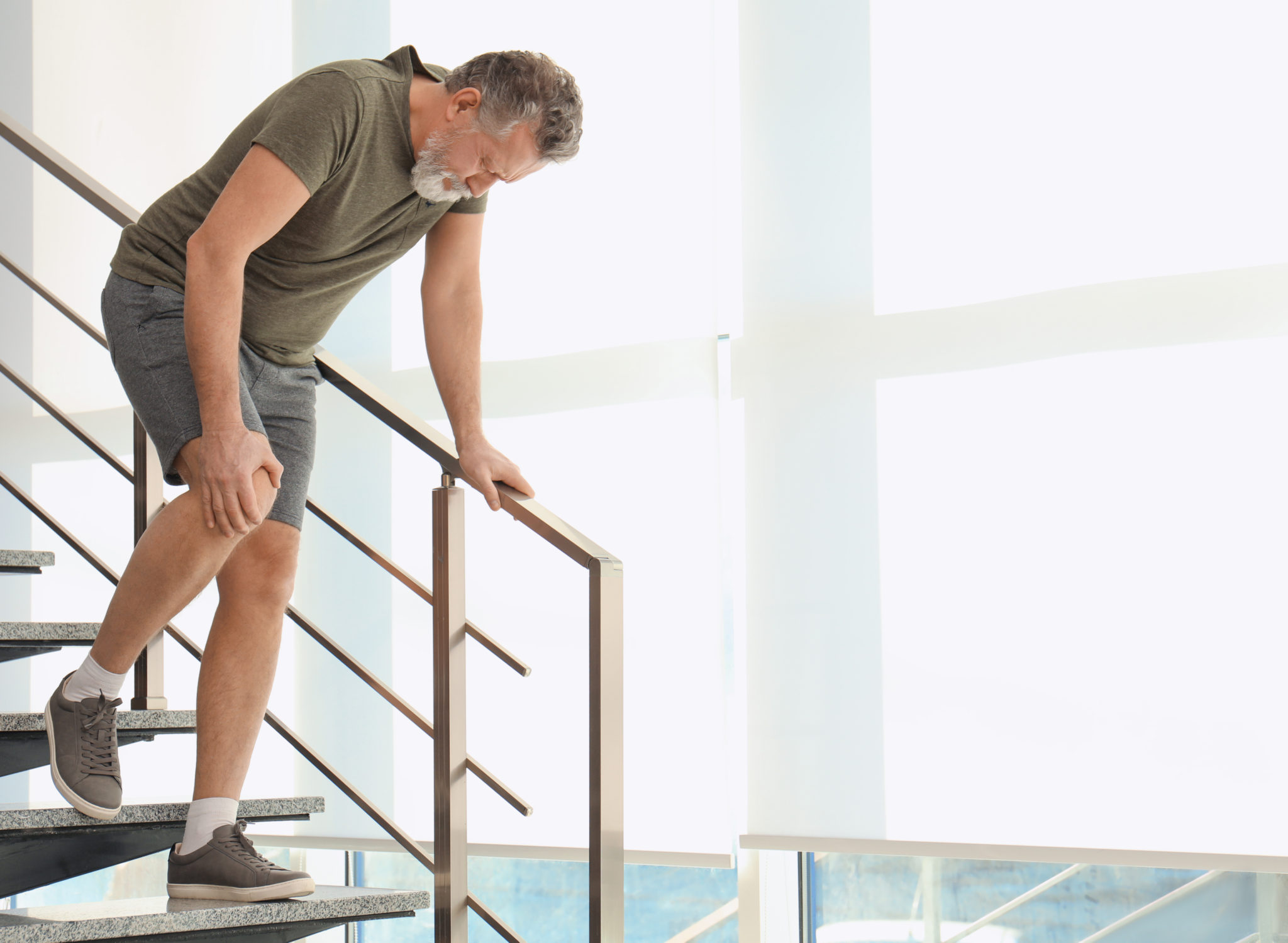
Knee Pain While Climbing Stairs in Jaipur: Causes, Prevention & Physiotherapy Treatment
Climbing stairs is a common daily activity, but for people with knee problems, it can become painful or uncomfortable. Knee pain while going upstairs may make you avoid stairs, reduce your activity level, and affect your overall mobility.
Knee pain can develop for many reasons, including muscle weakness, overuse, previous injuries, poor movement patterns, cartilage-related problems, or conditions such as osteoarthritis. Identifying the underlying cause is important because the appropriate treatment depends on the specific problem.
Physiotherapy for knee pain can help improve muscle strength, joint mobility, balance, movement control, and functional ability.
At MY Physio Multispeciality Clinic in Jaipur, a personalized physiotherapy program can be planned after assessing your symptoms, movement, strength, and daily activity requirements.
Why Does Knee Pain Occur While Climbing Stairs?
Climbing stairs places considerable demand on the muscles and joints around the knee. When the knee or supporting muscles are not functioning efficiently, stair climbing may cause pain.
Some common contributing factors include:
- Weak thigh muscles
- Weak hip muscles
- Knee joint stiffness
- Overuse
- Previous knee injury
- Poor movement mechanics
- Osteoarthritis
- Patellofemoral pain
- Excessive body weight
- Reduced physical conditioning
The exact cause should be assessed rather than assuming that all stair-related knee pain has the same origin.
Common Symptoms Associated With Knee Pain
Apart from pain while climbing stairs, some people may experience:
- Pain while squatting
- Difficulty getting up from a chair
- Knee stiffness
- Pain after prolonged sitting
- Difficulty walking for long periods
- Swelling around the knee
- Reduced knee movement
- Weakness around the thigh or hip
- Pain during other weight-bearing activities
Persistent or worsening symptoms should be professionally evaluated.
Common Causes of Knee Pain While Climbing Stairs
1. Muscle Weakness
Weak quadriceps and hip muscles can affect how the knee handles everyday movements. Strengthening these muscles may help improve functional performance.
2. Patellofemoral Pain
Pain around or behind the kneecap can sometimes become noticeable during activities that place greater demand on the knee, including stair climbing, squatting, and prolonged sitting.
3. Knee Osteoarthritis
Osteoarthritis can cause knee pain, stiffness, and reduced function. Symptoms may become more noticeable during weight-bearing activities.
4. Previous Knee Injury
Past ligament, meniscus, or other knee injuries can affect strength, movement, and stability even after the initial injury has healed.
5. Overuse
A sudden increase in walking, exercise, running, or stair climbing may place additional stress on the knee and surrounding tissues.
How Physiotherapy Can Help Knee Pain
Physiotherapy focuses on improving the factors that may contribute to pain and reduced function.
1. Strengthening Exercises
Exercises targeting the quadriceps, hamstrings, glutes, and other supporting muscles can help improve lower-limb strength.
2. Mobility Exercises
Restricted movement in the knee, hip, or ankle can influence movement patterns. Appropriate mobility exercises may help improve overall lower-limb function.
3. Movement Training
A physiotherapist can assess how you walk, squat, stand, and climb stairs. Correcting inefficient movement patterns may help reduce unnecessary stress on the knee.
4. Balance and Stability Training
Balance exercises can improve lower-limb control and confidence during functional activities.
5. Manual Therapy
When appropriate, hands-on physiotherapy techniques may be used to address joint or soft-tissue stiffness and improve movement.
6. Activity Modification
Your physiotherapist may suggest temporary changes to activities that aggravate your symptoms while gradually building your strength and tolerance.
Exercises That May Help
Depending on the underlying condition and your physical abilities, a physiotherapist may recommend exercises such as:
- Quadriceps strengthening
- Straight-leg raises
- Glute strengthening
- Hamstring exercises
- Step-up exercises
- Sit-to-stand exercises
- Calf strengthening
- Balance exercises
- Controlled squats
Not every exercise is suitable for every type of knee pain. Exercises should be selected and progressed according to your condition.
Tips to Reduce Knee Pain While Using Stairs
Use Proper Foot Placement
Place the entire foot securely on each step rather than putting excessive pressure on the front of the foot.
Use the Handrail When Needed
A handrail can provide additional support if you have pain, weakness, or balance difficulties.
Avoid Sudden Increases in Activity
If you have recently started exercising or increased your walking or stair activity, progress gradually.
Maintain Healthy Body Weight
Maintaining a healthy weight can reduce the mechanical load placed on the knees during weight-bearing activities.
Strengthen Supporting Muscles
Regularly strengthening the muscles around the hips and knees can support better lower-limb function.
Do Not Ignore Persistent Pain
Occasional mild discomfort may have different causes, but ongoing or worsening knee pain should be assessed by a qualified healthcare professional.
When Should You See a Physiotherapist?
Consider professional evaluation if:
- Knee pain continues for several weeks
- Stair climbing becomes increasingly difficult
- Pain interferes with daily activities
- You experience repeated swelling
- Your knee feels unstable
- You have difficulty bending or straightening the knee
- Pain develops after an injury
- You are avoiding normal activities because of knee pain
When Is Medical Evaluation Important?
Some symptoms require prompt medical assessment. Seek appropriate medical care if knee pain follows a significant injury, the knee becomes severely swollen or deformed, you cannot bear weight, or you develop significant redness, warmth, or fever.
Why Choose Physiotherapy for Knee Pain in Jaipur?
Knee pain can have different causes, so treatment should not be based only on the location of the pain.
At MY Physio Multispeciality Clinic, Jaipur, physiotherapy can be tailored according to your symptoms, muscle strength, joint mobility, movement patterns, and functional goals.
Treatment may include strengthening exercises, mobility training, manual therapy, balance exercises, movement retraining, and guidance for safe progression of activities.
Conclusion
Knee pain while climbing stairs can result from several factors, including muscle weakness, overuse, joint stiffness, previous injuries, or conditions affecting the knee joint.
With proper assessment and a personalized physiotherapy program, many people can work toward improving knee strength, mobility, movement control, and everyday function.
If climbing stairs has become painful or difficult, consulting a physiotherapist can help identify the possible contributing factors and develop an appropriate treatment plan.
 Whatsapp No. : 9782468066