 6377511211
 myphysioindia@gmail.com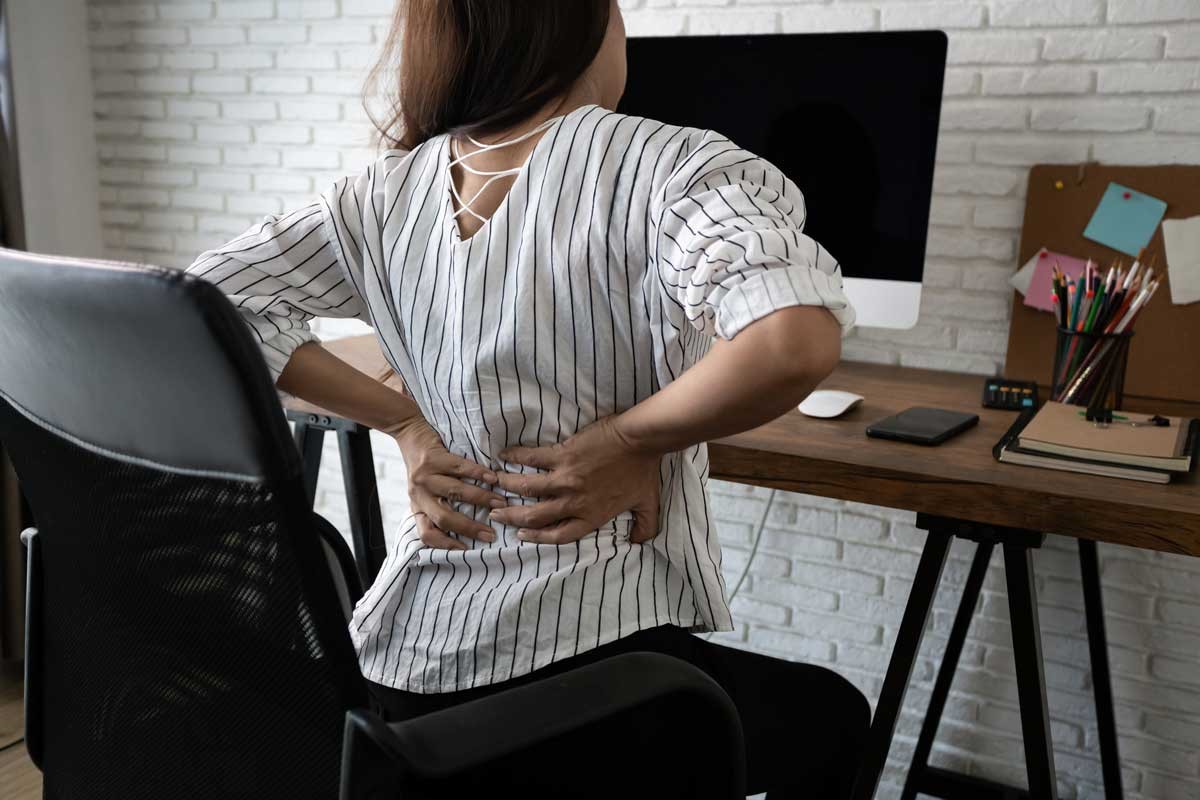
Lower Back Pain From Long Sitting: Physiotherapy Tips for Working Professionals in Jaipur
Spending several hours sitting at a desk has become a normal part of many professional routines. Working on a computer, attending meetings, travelling, or using a laptop for long periods can leave you with lower back stiffness and discomfort.
Although sitting itself is not necessarily harmful, prolonged sitting, poor posture, limited movement, and an unsuitable workstation setup may contribute to back problems. Physiotherapy can help working professionals understand the possible causes of their discomfort and develop better movement, posture, and exercise habits.
Why Does Long Sitting Cause Lower Back Pain?
When you remain in the same sitting position for a long time, your muscles and joints may experience prolonged stress. Limited movement can also contribute to stiffness and reduced flexibility.
Poor sitting posture, such as slouching or leaning forward toward a screen, may place additional strain on the back and surrounding muscles.
Other factors that can contribute to lower back pain include:
- Weak core and supporting muscles
- Poor workstation ergonomics
- Lack of regular physical activity
- Repeated bending or awkward movements
- Long commuting hours
- Previous back problems
- Inadequate movement breaks
Common Signs of Sitting-Related Back Pain
Working professionals may notice:
Lower Back Stiffness
Your lower back may feel tight after sitting for several hours or when standing up after prolonged sitting.
Dull or Aching Pain
Some people experience an ongoing ache that becomes more noticeable toward the end of the working day.
Difficulty Standing After Sitting
Getting up from a chair after several hours may feel uncomfortable because of temporary stiffness.
Reduced Flexibility
Long periods without movement may make bending, stretching, or changing positions feel more difficult.
Pain During Prolonged Sitting
Back discomfort may increase when you remain seated without taking regular movement breaks.
Physiotherapy Tips for Working Professionals
1. Avoid Staying in One Position for Too Long
Try to change your position regularly. Short movement breaks during the working day can help reduce prolonged static loading.
Stand up, walk for a few minutes, or perform gentle movements between work tasks.
2. Maintain a Comfortable Sitting Posture
Keep your feet supported and try to maintain a comfortable, neutral spinal position. Avoid continuously slouching forward.
Your chair should provide adequate support, and your workstation should allow you to work without repeatedly bending your neck or back.
3. Adjust Your Computer Screen
Position your monitor so that you can look at the screen without constantly leaning forward.
For laptop users, an external keyboard and mouse can sometimes make it easier to maintain a more comfortable working position.
4. Strengthen Your Core and Back Muscles
A physiotherapist may recommend suitable strengthening exercises based on your condition.
A stronger and better-conditioned trunk can support everyday movement and physical activities.
5. Improve Hip and Hamstring Flexibility
Tight muscles around the hips and legs may affect movement patterns. Appropriate stretching and mobility exercises can be included in a personalized physiotherapy program.
6. Stay Physically Active
Regular walking and appropriate physical activity can help reduce the amount of time you spend sitting continuously.
Even simple activities during breaks can help you incorporate more movement into your day.
7. Use Proper Lifting Techniques
If your work involves lifting objects, avoid repeatedly bending from the waist. Learn appropriate lifting and movement techniques to reduce unnecessary strain.
How Physiotherapy Can Help With Lower Back Pain
Physiotherapy begins with an assessment of your symptoms, posture, mobility, muscle strength, and movement patterns.
Depending on the individual's condition, treatment may include:
- Therapeutic exercises
- Core and back strengthening
- Mobility exercises
- Flexibility training
- Posture correction
- Ergonomic advice
- Manual therapy when appropriate
- Movement and activity education
The goal is not simply to reduce discomfort but also to improve movement and help you develop habits that support your daily activities.
When Should Working Professionals Seek Physiotherapy?
You should consider professional assessment if your lower back pain:
- Keeps returning
- Persists despite rest and routine changes
- Interferes with work or daily activities
- Makes sitting or standing difficult
- Limits your normal movement
- Is accompanied by symptoms extending into the leg
If back pain is severe, follows a significant injury, or is associated with new weakness, loss of bladder or bowel control, or numbness around the groin area, seek urgent medical attention.
Lower Back Pain Physiotherapy in Jaipur
At My Physio Multispeciality Clinic, Jaipur, physiotherapy programs can be customized according to your symptoms, work routine, posture, mobility, and physical requirements.
For working professionals, treatment may focus on pain management, therapeutic exercise, posture correction, strengthening, mobility, and practical workplace recommendations.
Conclusion
Lower back pain can become a common problem for professionals who spend many hours sitting. Improving workstation ergonomics, taking regular movement breaks, staying active, and following an appropriate exercise program may help support better back health.
If your lower back pain is persistent or affecting your professional and personal activities, a physiotherapy assessment can help identify suitable treatment and rehabilitation strategies.
 Whatsapp No. : 9782468066