 6377511211
 myphysioindia@gmail.com
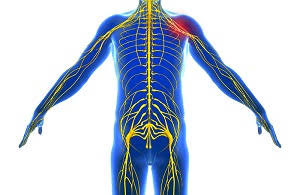
Nerve Compression in the Spine: Warning Signs, Causes & Physiotherapy for Pain Relief in Jaipur
Nerve compression in the spine occurs when surrounding structures put pressure on a spinal nerve or, in more serious cases, the spinal cord. This pressure can cause neck pain, back pain, tingling, numbness or weakness that spreads into the arms or legs. Symptoms depend on the location and severity of the compression.
Some people experience mild discomfort, while others struggle with walking, lifting objects or completing everyday tasks. Early assessment can help identify the underlying cause and guide appropriate treatment.
If you are looking for nerve compression treatment in Jaipur, understanding the warning signs and available physiotherapy options can help you take the next step towards better movement and function.
What Is Spinal Nerve Compression?
The spine protects the spinal cord and provides openings through which nerves travel to different parts of the body. These nerves carry signals between the brain, spinal cord, muscles and other tissues.
When a disc, bone spur, thickened ligament or another structure presses on a nerve, the affected nerve may become irritated. Doctors often call compression or irritation of a spinal nerve root radiculopathy.
The condition can affect different parts of the spine:
1. Cervical Nerve Compression
Cervical nerve compression affects nerves in the neck. It may cause neck pain, shoulder discomfort, tingling in the arm or numbness in the fingers. Some people also notice weakness in their hands.
2. Thoracic Nerve Compression
Thoracic nerve compression affects the middle portion of the spine. Depending on the cause, pain or altered sensation may spread around the chest or upper abdomen.
New or unexplained chest pain requires prompt medical assessment because it may have causes unrelated to the spine.
3. Lumbar Nerve Compression
Lumbar nerve compression affects nerves in the lower back. It may cause lower back pain, buttock discomfort or pain that travels down one leg. When the sciatic nerve pathway becomes affected, a person may experience symptoms commonly associated with sciatica.
Common Causes of Nerve Compression in the Spine
Several conditions can narrow the spaces around spinal nerves or irritate nerve roots.
1. Herniated or Bulging Disc
Spinal discs act as cushions between the vertebrae. When a disc bulges or herniates, it may press against a nearby nerve. This can cause pain, numbness, tingling or muscle weakness.
2. Spinal Stenosis
Spinal stenosis refers to narrowing of the spaces within the spine. This narrowing may place pressure on spinal nerves or the spinal cord. Some people notice leg pain or heaviness while standing or walking.
3. Degenerative Changes
Age-related changes can affect spinal discs, joints and ligaments. Bone spurs may develop and reduce the space available for nearby nerves.
4. Spondylolisthesis
Spondylolisthesis occurs when one vertebra slips relative to the vertebra below it. In some cases, this movement can narrow nerve pathways and contribute to pain or neurological symptoms.
5. Spinal Injury
A fall, accident or other injury can damage the vertebrae, discs or surrounding tissues. Depending on the injury, swelling or structural changes may compress nerves.
6. Other Medical Conditions
Less commonly, a tumour, infection or another condition may place pressure on the spinal cord or nerve roots. Persistent, unusual or progressively worsening symptoms need medical evaluation, especially when accompanied by other warning signs.
Warning Signs of Spinal Nerve Compression
Recognising symptoms early can help you seek the right care. Common warning signs include:
-
Pain in the neck or lower back.
-
Pain spreading into the shoulder, arm, buttock or leg.
-
Tingling or pins-and-needles sensations.
-
Numbness in the hands, fingers, feet or toes.
-
Muscle weakness in an arm or leg.
-
Difficulty gripping objects or performing fine hand movements.
-
Reduced balance or changes in walking.
-
Pain that increases during certain movements, coughing or sneezing.
Symptoms may develop gradually or appear suddenly, depending on the cause. Therefore, do not assume that every episode of radiating pain comes from a pinched nerve.
Emergency Warning Signs You Should Never Ignore
Seek emergency medical care immediately if you develop any of the following:
-
New loss of bladder or bowel control.
-
Difficulty starting urination or an inability to pass urine.
-
Numbness around the groin, genitals or inner thighs.
-
Rapidly worsening weakness in an arm or leg.
-
Severe or increasing symptoms affecting both legs.
-
Sudden difficulty walking or major changes in coordination.
These symptoms can indicate serious nerve or spinal cord compression that requires urgent assessment. Do not delay emergency care to try physiotherapy or home exercises.
How Is Spinal Nerve Compression Diagnosed?
An accurate diagnosis helps determine whether physiotherapy is suitable and which movements you should avoid.
Medical History and Physical Examination
A healthcare professional may ask when your symptoms started, where the pain travels and whether you have noticed numbness or weakness.
The examination may assess:
-
Neck and back movement.
-
Muscle strength.
-
Sensation in the arms and legs.
-
Reflexes and coordination.
-
Walking and balance.
-
Movements that increase or reduce symptoms.
The findings help identify possible nerve involvement and determine whether further investigation is necessary.
Imaging and Other Tests
An X-ray can show certain bone changes and alignment problems. However, it does not directly show spinal nerves in detail.
An MRI may help assess discs, nerve roots, the spinal cord and other soft tissues. A doctor may recommend additional tests when the diagnosis remains unclear or when symptoms suggest significant nerve involvement.
Not everyone with neck or back pain needs a scan. A clinician should recommend imaging when the findings are likely to affect treatment decisions or when serious conditions require investigation.
Physiotherapy for Nerve Compression in Jaipur
Physiotherapy may help selected people manage spinal nerve symptoms, improve movement and regain everyday function. However, the treatment approach depends on the cause, severity and presence of neurological deficits.
At My Physio Multispeciality Clinic Jaipur, an individualised rehabilitation plan can focus on your assessment findings and functional goals, when physiotherapy is clinically appropriate.
1. Individualised Exercise Therapy
A physiotherapist may prescribe controlled exercises to improve mobility, strength and movement tolerance. The exercises should match the affected spinal region and the person's symptoms.
Avoid exercises that increase radiating pain, numbness or weakness.
2. Core and Spinal Muscle Strengthening
The muscles around the trunk and spine help support movement during daily activities. Appropriate strengthening exercises may improve muscular control and help you perform tasks more comfortably.
Your physiotherapist can gradually adjust the exercise intensity according to your progress.
3. Posture and Movement Education
Prolonged sitting, repetitive movements and unsuitable lifting techniques may aggravate symptoms in some people. A physiotherapist can help you identify activities that trigger discomfort and suggest practical adjustments.
These changes may include improving workstation positioning, taking movement breaks and learning safer lifting techniques.
4. Nerve Mobility Exercises
In selected cases, a physiotherapist may recommend gentle nerve mobility exercises. These movements aim to improve the way a nerve moves relative to surrounding tissues.
However, nerve mobility exercises are not suitable for every condition. A professional should select and demonstrate them, particularly when numbness or weakness is present.
5. Gentle Mobility and Flexibility Training
Restricted movement and muscle tightness can make daily activities more difficult. A rehabilitation programme may include suitable mobility exercises for the neck, back, shoulders or hips.
The physiotherapist should modify each movement if it increases symptoms or places excessive strain on the affected area.
6. Manual Therapy When Appropriate
A physiotherapist may use selected manual techniques to address stiffness or associated muscle discomfort. Manual therapy should form part of a broader treatment plan rather than serve as the only treatment.
Forceful spinal manipulation is not appropriate for every person, particularly when significant nerve compression, spinal cord symptoms, injury or instability is suspected.
7. Functional Rehabilitation
As symptoms improve, your physiotherapist may help you gradually return to activities such as walking, working, climbing stairs or completing household tasks.
The goal is to improve your ability to move safely and independently while monitoring for any worsening neurological symptoms.
Important: Physiotherapy can help manage symptoms and improve function in appropriate cases, but it cannot guarantee that the underlying compression will resolve. Significant or progressive nerve compression may require specialist treatment.
Can Physiotherapy Relieve Nerve Pain Without Surgery?
Many people with certain types of spinal nerve irritation improve with non-surgical care. Depending on the diagnosis, treatment may include physiotherapy, activity modification and medication recommended by a qualified healthcare professional.
However, the outcome depends on the underlying cause. A mild nerve irritation may improve with conservative treatment, while severe compression or progressive weakness may require urgent specialist assessment.
A spine specialist may consider surgery when nerve compression causes significant neurological problems or when appropriate non-surgical treatment does not provide sufficient relief.
Never postpone specialist care because you hope that exercises alone will correct a serious spinal condition.
What Can You Do at Home to Manage Symptoms?
If a healthcare professional has ruled out an emergency and recommends conservative care, these practical steps may help:
-
Keep moving within your limits: Short, comfortable walks may be more suitable than prolonged bed rest.
-
Change positions regularly: Avoid remaining in one position for long periods if it aggravates your symptoms.
-
Adjust your workstation: Keep your screen at a comfortable height and support your back while sitting.
-
Avoid painful lifting: Reduce heavy lifting and repeated bending or twisting when these activities trigger symptoms.
-
Follow your prescribed exercises: Perform only movements recommended for your condition.
-
Monitor neurological symptoms: Report new numbness, increasing weakness or changes in walking promptly.
Do not use home remedies as a substitute for medical assessment when symptoms are severe, persistent or worsening.
How Can You Reduce the Risk of Recurring Spinal Pain?
Not every cause of nerve compression can be prevented. Nevertheless, healthy movement habits may help support spinal function and general physical health.
Consider the following measures:
-
Engage in regular physical activity suited to your ability.
-
Build strength gradually rather than increasing exercise intensity too quickly.
-
Use comfortable sitting and working positions.
-
Learn safe lifting techniques.
-
Take breaks during long periods of sitting or repetitive work.
-
Seek professional advice when pain repeatedly returns or begins spreading into an arm or leg.
These habits may help manage symptoms and support mobility, but they cannot guarantee prevention of spinal nerve compression.
Nerve Compression Treatment in Jaipur at My Physio Multispeciality Clinic
Nerve-related pain can affect sleep, work, walking and everyday activities. Tingling, numbness or weakness may also make routine tasks more difficult.
At My Physio Multispeciality Clinic Jaipur, physiotherapy assessment and individualised rehabilitation may help suitable patients improve movement, build strength and manage symptoms associated with spinal conditions.
If you experience persistent neck pain, lower back pain, radiating limb pain or recurring tingling, consult a qualified healthcare professional to identify the cause and determine the most appropriate treatment.
Contact My Physio Multispeciality Clinic Jaipur
-
Phone: 6377511211
-
Email: myphysioindia@gmail.com
-
Website: https://myphysiojaipur.in/
-
Address: Shop No. 2F-303, opposite Metro Pillar 103, New Sanganer Road, near Lajeez Hotel, Shyam Nagar, Jaipur, Rajasthan.
Frequently Asked Questions (FAQs)
1. What is nerve compression in the spine?
Spinal nerve compression occurs when a structure, such as a herniated disc, bone spur or narrowed spinal canal, places pressure on a spinal nerve or the spinal cord. It may cause pain, tingling, numbness or weakness.
2. What are the first signs of a pinched spinal nerve?
Early symptoms may include neck or back pain, tingling, numbness or pain spreading into an arm or leg. Some people also experience weakness. A clinical assessment can help identify the cause.
3. Can physiotherapy help with spinal nerve compression?
Physiotherapy may help improve mobility, strength and function in selected cases. The treatment plan depends on the location and severity of compression. Severe or worsening neurological symptoms require medical assessment.
4. How long does nerve compression take to heal?
Recovery varies according to the cause, severity and individual response to treatment. Some cases improve over several weeks, while others take longer or need specialist intervention. There is no single recovery timeline for every patient.
5. Which exercises are suitable for spinal nerve compression?
Suitable exercises depend on the affected spinal region and the symptoms. A physiotherapist may recommend controlled mobility, strengthening or nerve mobility exercises when appropriate. Avoid movements that worsen radiating pain, numbness or weakness.
6. When should I seek urgent medical care for nerve compression?
Seek emergency care for new bladder or bowel problems, numbness around the groin, rapidly worsening weakness or sudden difficulty walking. These symptoms may indicate serious spinal nerve or spinal cord compression.
7. Where can I seek physiotherapy for nerve compression in Jaipur?
You can contact My Physio Multispeciality Clinic Jaipur to enquire about an assessment and appropriate physiotherapy options for spinal pain and movement difficulties.
Conclusion
Spinal nerve compression can cause pain, tingling, numbness and weakness that interfere with daily life. Early diagnosis helps identify the underlying problem and determine whether physiotherapy, medical treatment or specialist care is appropriate.
If you are searching for nerve compression treatment in Jaipur, seek professional guidance rather than relying on exercises alone. With an appropriate assessment and individualised treatment plan, many people can work towards better mobility and improved daily function.
 Whatsapp No. : 9782468066