 6377511211
 myphysioindia@gmail.com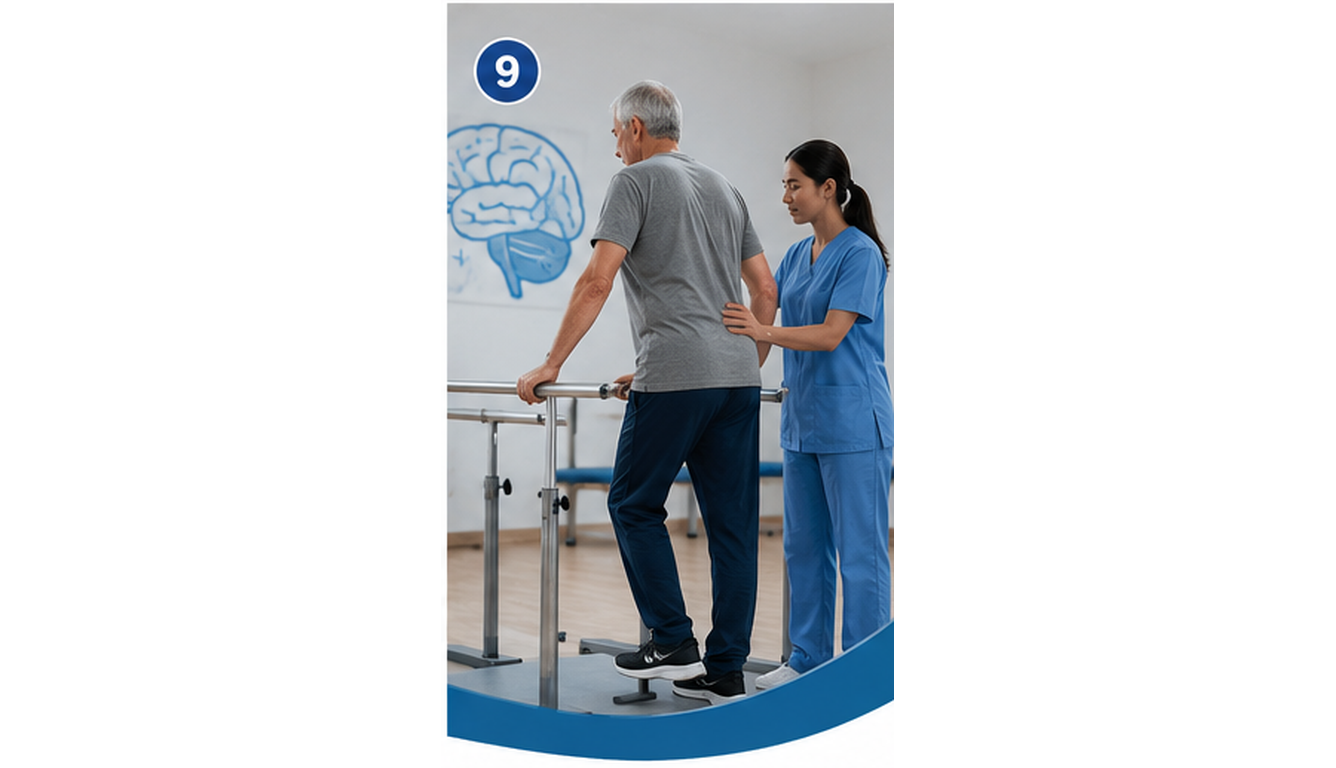
Neurological Rehabilitation: Restoring Mobility After Stroke and Spinal Injuries
A stroke or spinal injury can significantly affect a person's ability to walk, balance, move their limbs, perform daily activities, and maintain independence. Recovery often requires patience, regular therapy, and a structured rehabilitation program.
Neurological rehabilitation focuses on improving physical function and helping patients regain as much independence as possible after neurological injuries or conditions. Physiotherapy plays an important role in this process by addressing movement limitations, muscle weakness, balance problems, coordination difficulties, and functional challenges.
At MY Physio Multispeciality Clinic, neurological rehabilitation can be customized according to the patient's condition, recovery stage, physical abilities, and rehabilitation goals.
What Is Neurological Rehabilitation?
Neurological rehabilitation is a specialized form of rehabilitation designed for people who have experienced conditions or injuries affecting the brain, spinal cord, or nervous system.
The main goal is to improve movement, strength, coordination, balance, and functional independence. Treatment may include therapeutic exercises, mobility training, balance exercises, gait training, functional activities, and patient education.
Neurological Rehabilitation After Stroke
A stroke can affect different parts of the body depending on the area of the brain involved. Some patients may experience weakness on one side of the body, difficulty walking, balance problems, muscle stiffness, or reduced coordination.
Physiotherapy after stroke can focus on:
- Improving muscle strength
- Regaining balance
- Improving walking ability
- Training functional movements
- Improving coordination
- Reducing complications caused by inactivity
- Increasing independence in daily activities
Early and consistent rehabilitation can be an important part of the recovery process.
Rehabilitation After Spinal Injuries
Spinal injuries can affect movement, sensation, muscle strength, balance, and functional independence. The effects vary depending on the location and severity of the injury.
A rehabilitation program may include:
- Strengthening exercises
- Mobility training
- Balance exercises
- Transfer training
- Walking or gait training when appropriate
- Flexibility exercises
- Functional movement training
- Education for patients and caregivers
The rehabilitation plan should be adjusted according to the individual's abilities and medical condition.
How Physiotherapy Helps Neurological Recovery
1. Improves Muscle Strength
Weak muscles can make walking, standing, and everyday movements difficult. Progressive strengthening exercises can help improve functional muscle performance.
2. Improves Balance and Coordination
Stroke and spinal injuries may affect balance and coordination. Specific exercises can help patients practice controlled movements and improve stability.
3. Supports Walking Recovery
For patients who are able to walk or are working toward walking again, gait training can help improve walking patterns, balance, strength, and confidence.
4. Improves Functional Independence
Rehabilitation focuses on practical movements such as sitting, standing, transferring, walking, and performing everyday activities.
5. Helps Manage Muscle Stiffness
Some neurological conditions can cause increased muscle tone or stiffness. Appropriate positioning, stretching, movement exercises, and other rehabilitation techniques may help manage these problems.
6. Builds Confidence
Losing mobility can affect a person's confidence. Gradual progress through supervised rehabilitation can help patients become more comfortable with movement and daily activities.
Common Goals of Neurological Rehabilitation
Every patient has different rehabilitation goals. Depending on the condition, therapy may focus on:
- Sitting and standing independently
- Improving walking ability
- Increasing muscle strength
- Improving balance
- Improving coordination
- Regaining functional movements
- Increasing independence
- Improving confidence during movement
- Supporting a safe return to daily activities
Importance of Consistent Rehabilitation
Neurological recovery can take time. Progress may differ from one person to another depending on the type and severity of the injury, overall health, treatment participation, and other individual factors.
Following a structured rehabilitation program and regularly performing prescribed exercises can help patients work toward their functional goals.
Role of Family and Caregivers
Family members and caregivers can play an important role during neurological rehabilitation. They may support patients with exercises, mobility routines, positioning, and daily activities as advised by the rehabilitation team.
Caregivers should also learn safe movement and transfer techniques to reduce the risk of falls and injuries.
When Should Neurological Rehabilitation Begin?
The timing of rehabilitation depends on the patient's medical condition and recommendations from the treating medical team. Once the patient is medically stable and rehabilitation is appropriate, therapy can be planned according to their needs.
The rehabilitation program may change as the patient progresses.
Why Choose Personalized Neurological Rehabilitation?
Neurological injuries can affect every patient differently. A personalized rehabilitation program allows the physiotherapist to consider the patient's strength, movement, balance, coordination, mobility, and functional limitations.
Treatment can then be progressed gradually as the patient's abilities improve.
Conclusion
Neurological rehabilitation is an important part of recovery after stroke and spinal injuries. With appropriate physiotherapy, therapeutic exercises, mobility training, balance work, and functional rehabilitation, patients can work toward improving movement and independence.
At MY Physio Multispeciality Clinic, neurological rehabilitation can be planned according to each patient's condition and recovery goals. Professional assessment and consistent rehabilitation can help patients make steady progress toward better mobility and everyday function.
 Whatsapp No. : 9782468066