 6377511211
 myphysioindia@gmail.com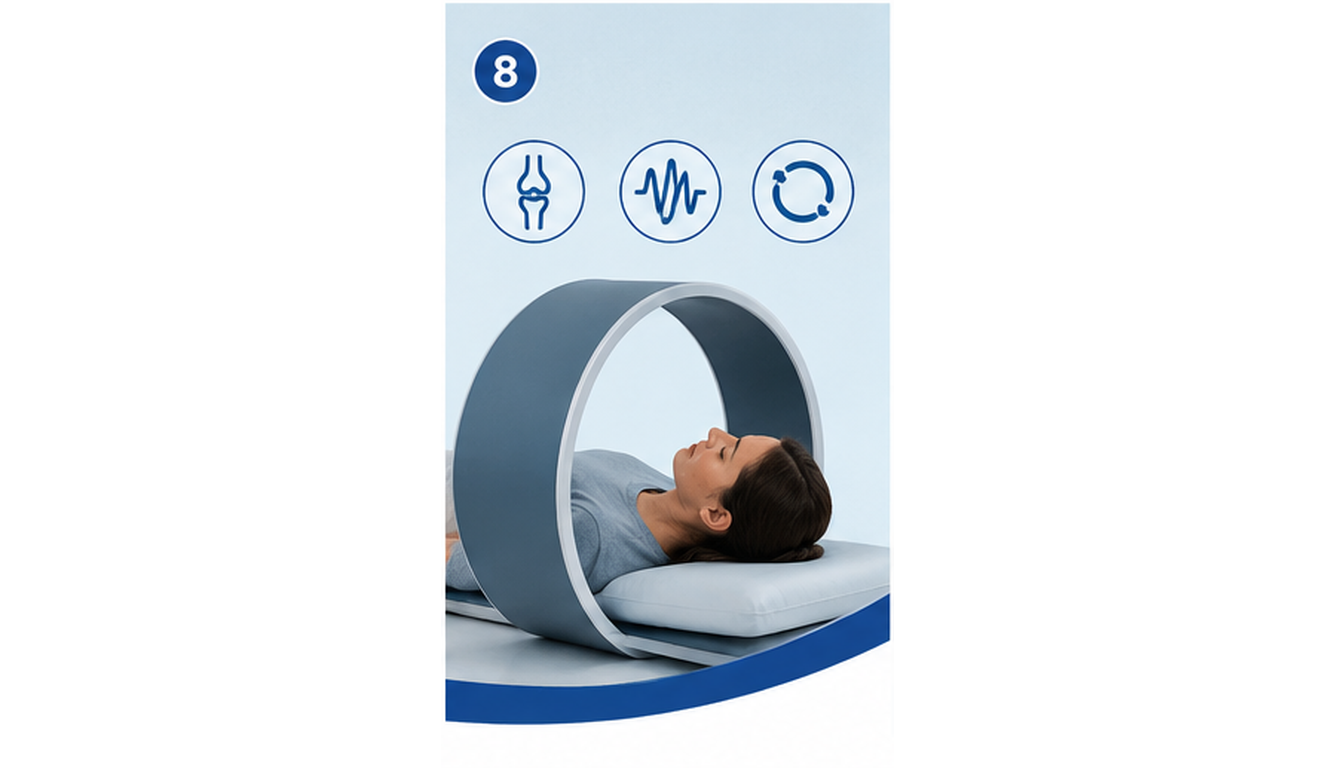
PEMF Therapy Explained: Benefits, Uses, and Who Should Consider It
Pain, stiffness, slow recovery, and certain musculoskeletal problems can affect your ability to move comfortably and perform daily activities. Along with physiotherapy and rehabilitation, advanced supportive therapies may be considered to help improve recovery.
PEMF Therapy, or Pulsed Electromagnetic Field Therapy, is a non-invasive treatment that uses electromagnetic fields delivered to specific areas of the body. It is used in some rehabilitation settings as a complementary therapy for pain management, tissue recovery, and overall physical rehabilitation.
At MY Physio Multispeciality Clinic, PEMF Therapy may be incorporated into a personalized rehabilitation program depending on the patient's condition, symptoms, and treatment goals.
What Is PEMF Therapy?
PEMF stands for Pulsed Electromagnetic Field therapy. It uses controlled electromagnetic pulses that are delivered to the body through a specialized device.
Unlike electrical stimulation therapies that directly stimulate muscles or nerves, PEMF delivers electromagnetic fields without requiring electrodes to be placed directly on the skin.
The therapy is generally non-invasive and is often used as a complementary treatment rather than a replacement for physiotherapy, exercise, or medical care.
How Does PEMF Therapy Work?
PEMF devices generate pulsed electromagnetic fields that interact with tissues in the treatment area. Research has investigated PEMF for several applications, particularly in areas such as bone healing and pain management.
The exact biological effects can vary depending on the type of device, frequency, intensity, treatment duration, and the condition being treated.
Benefits of PEMF Therapy
1. May Support Pain Management
PEMF therapy may be used as part of a broader pain-management plan for certain musculoskeletal conditions. It can be combined with physiotherapy techniques and therapeutic exercises.
2. Supports Rehabilitation
Patients recovering from injuries or certain musculoskeletal conditions may require multiple rehabilitation approaches. PEMF can sometimes be included as a supportive therapy alongside exercise and manual techniques.
3. May Support Tissue Recovery
PEMF has been studied for its potential role in supporting tissue and cellular processes. However, the effectiveness can depend on the specific condition and treatment protocol.
4. Non-Invasive Treatment
PEMF therapy does not require injections or surgical procedures. This makes it a convenient complementary option for appropriate patients.
5. May Be Used for Bone Healing
Certain PEMF applications have been studied and used in relation to bone healing, including some difficult-to-heal fractures. Medical supervision is important when PEMF is being considered for bone-related conditions.
6. Can Complement Physiotherapy
PEMF should not be viewed as a replacement for active rehabilitation. Depending on the patient's condition, it can be combined with stretching, strengthening exercises, mobility training, manual therapy, and other physiotherapy techniques.
What Conditions May PEMF Therapy Be Used For?
Depending on the specific device and clinical assessment, PEMF may be considered as a complementary therapy for selected conditions such as:
- Certain types of musculoskeletal pain
- Joint stiffness
- Sports injury recovery
- Rehabilitation after injury
- Certain bone-healing applications
- Chronic pain management
- Soft-tissue recovery
The suitability of PEMF depends on the patient's medical history and the condition being treated.
Who Should Consider PEMF Therapy?
PEMF may be considered by people who are undergoing rehabilitation and need additional supportive treatment. It may be particularly relevant for patients dealing with persistent musculoskeletal discomfort, certain injuries, or specific recovery needs.
However, PEMF is not appropriate for everyone. A professional assessment should be performed before starting treatment.
Who Should Avoid or Discuss PEMF With a Professional First?
People with certain implanted electronic or medical devices may need to avoid PEMF or obtain specific medical advice before using it. Pregnant patients and people with certain medical conditions should also discuss PEMF with their healthcare professional before treatment.
Always inform your physiotherapist about medications, implants, previous surgeries, and existing medical conditions.
PEMF Therapy vs Traditional Physiotherapy
PEMF and physiotherapy serve different purposes. Physiotherapy commonly focuses on restoring movement, strength, flexibility, balance, and functional ability through active rehabilitation.
PEMF may be used as a complementary modality when clinically appropriate. A rehabilitation plan should focus on the underlying condition rather than relying on a single treatment technique.
What Happens During a PEMF Therapy Session?
A typical session may involve positioning the PEMF applicator over or around the treatment area while the device delivers controlled electromagnetic pulses.
The duration and treatment parameters depend on the device and the patient's condition. Your physiotherapist will determine the appropriate treatment protocol based on your assessment and rehabilitation goals.
Is PEMF Therapy Painful?
PEMF therapy is generally considered non-invasive and is not typically associated with the discomfort of injections or surgical procedures. Most people do not experience significant sensations during treatment, although the experience can vary depending on the device and individual.
How Many PEMF Sessions Are Needed?
There is no single number of sessions that works for everyone. The treatment schedule depends on the condition, symptoms, treatment goals, and response to therapy.
Your physiotherapist can recommend an appropriate plan after evaluating your condition.
Why Combine PEMF With Physiotherapy?
Treating the underlying cause of movement problems is important for long-term rehabilitation. Combining appropriate supportive modalities with therapeutic exercises, mobility training, strengthening, posture correction, and functional rehabilitation may provide a more comprehensive treatment approach.
Conclusion
PEMF Therapy is a non-invasive rehabilitation modality that has been studied for applications including pain management and bone healing. It may be useful as a complementary treatment for selected patients, but it should not replace appropriate medical care or active physiotherapy.
At MY Physio Multispeciality Clinic, treatment can be planned according to your individual condition, symptoms, mobility, and rehabilitation goals. A professional assessment can help determine whether PEMF Therapy is appropriate for you.
 Whatsapp No. : 9782468066