 6377511211
 myphysioindia@gmail.com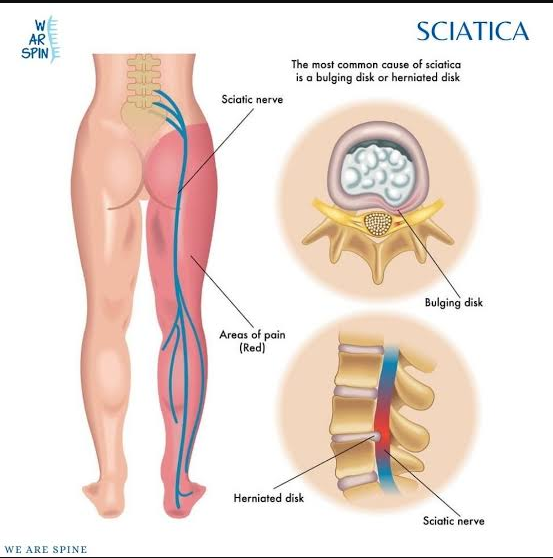
Sciatica Treatment in Jaipur: How Physiotherapy Helps Relieve Radiating Leg Pain
Lower back pain that travels down the buttock and leg can make everyday activities difficult. Sitting for long hours, walking, bending, or even sleeping may become uncomfortable. One possible cause of these symptoms is sciatica, a condition involving irritation or compression of the sciatic nerve.
If you experience these symptoms, sciatica treatment in Jaipur can help you understand the cause of your discomfort and explore suitable treatment options. Physiotherapy plays an important role in managing sciatica by improving movement, building strength, and helping patients return to their daily routines.
At My Physio Multispeciality Clinic Jaipur, individualized physiotherapy and rehabilitation focus on improving mobility and managing lower back and leg pain according to each patient's needs.
What Is Sciatica?
Sciatica refers to pain that travels along the sciatic nerve, which runs from the lower back through the buttocks and down each leg. It usually affects one side of the body.
Sciatica is a symptom rather than a separate disease. It can develop when a spinal nerve becomes irritated or compressed due to conditions such as a herniated disc, spinal narrowing, or certain degenerative changes.
The intensity can range from mild discomfort to sharp, burning, or shooting pain. Some people also experience tingling, numbness, or weakness in the affected leg.
Common Symptoms of Sciatica
Recognizing the symptoms can help you seek appropriate care. Common signs include:
-
Radiating leg pain: Pain travels from the lower back or buttock down the leg.
-
Tingling sensations: You may feel pins and needles in the leg or foot.
-
Numbness: Some areas of the leg or foot may feel less sensitive.
-
Lower back discomfort: Back pain may occur alongside leg pain.
-
Pain during sitting: Prolonged sitting or certain movements may aggravate symptoms.
-
Muscle weakness: Some people experience weakness in the affected leg or foot.
Symptoms vary from person to person. A physiotherapist or other qualified healthcare professional can assess your symptoms and help determine the appropriate next steps.
What Causes Sciatic Nerve Pain?
Several conditions can irritate or compress the sciatic nerve roots. Identifying the underlying cause helps guide an effective treatment plan.
1. Herniated or Slipped Disc
A spinal disc may bulge or herniate and put pressure on a nearby nerve root. This can produce pain that travels down the leg.
2. Prolonged Sitting and Poor Movement Habits
Long periods of sitting may aggravate symptoms in some people, particularly when combined with limited movement and poor activity tolerance. Sitting alone, however, does not necessarily cause sciatica.
3. Spinal Stenosis
Spinal stenosis involves narrowing of spaces within the spine. This narrowing may put pressure on spinal nerves and cause leg pain, numbness, or weakness.
4. Degenerative Spinal Changes
Age-related changes in spinal joints and discs may contribute to nerve irritation in some individuals.
5. Other Causes of Nerve Irritation
Certain conditions around the lower back and hip can produce similar symptoms. A proper clinical assessment helps distinguish sciatica from other causes of radiating leg pain.
How Physiotherapy Helps With Sciatica Treatment in Jaipur
Physiotherapy can help many people manage sciatica without surgery. Treatment depends on the underlying cause, symptom severity, movement limitations, and overall health.
At My Physio Multispeciality Clinic Jaipur, a physiotherapy programme may include the following approaches when clinically appropriate.
1. Detailed Physiotherapy Assessment
A physiotherapist evaluates your pain pattern, posture, mobility, muscle strength, and relevant nerve function. This assessment helps identify movements that aggravate symptoms and activities that you can perform comfortably.
Your treatment plan is then tailored to your needs rather than relying on a standard set of exercises.
2. Individualized Therapeutic Exercises
Specific exercises may help improve spinal mobility, strengthen supporting muscles, and increase tolerance for daily activities.
Depending on your assessment, your physiotherapist may recommend gentle mobility exercises, trunk strengthening, or selected nerve-mobility exercises. The choice of exercise matters because some movements may aggravate nerve symptoms.
3. Lower Back and Core Strengthening
Improving the strength and endurance of the trunk and hip muscles can support better movement control. Gradually progressing these exercises may make walking, standing, and other daily activities easier.
Your physiotherapist will adjust the intensity according to your symptoms and progress.
4. Manual Therapy, When Appropriate
Some patients may benefit from hands-on techniques to improve comfort and movement. A physiotherapist can determine whether manual therapy is suitable and combine it with active rehabilitation when needed.
Manual therapy alone may not address the underlying cause, so it should form part of an individualized plan where appropriate.
5. Posture and Activity Guidance
Your physiotherapist may suggest practical changes to reduce symptom aggravation during work, travel, or household activities.
Taking regular movement breaks, changing positions comfortably, and gradually returning to normal activity can help many patients manage their symptoms.
6. Progressive Rehabilitation
As symptoms improve, rehabilitation can progress towards better strength, balance, flexibility, and functional movement.
The aim is to help you return to activities safely while reducing unnecessary restrictions and improving confidence in movement.
Which Exercises May Help Relieve Sciatica Pain?
The most suitable exercises depend on the cause and severity of your symptoms. A physiotherapist may recommend:
-
Gentle walking within your comfort level.
-
Selected lower back mobility exercises.
-
Individualized trunk and abdominal strengthening.
-
Gentle hip mobility exercises where appropriate.
-
Nerve-mobility exercises when indicated by the assessment.
Avoid forcing stretches or continuing exercises that cause worsening radiating pain, increasing numbness, or new weakness. Exercises that help one person may not be appropriate for another.
For persistent or severe symptoms, seek professional assessment before starting a new exercise programme.
Can Sciatica Improve Without Surgery?
Many people with sciatica improve with time, appropriate activity modification, and conservative treatment. Physiotherapy can support recovery by helping manage symptoms and restore function.
However, results depend on the underlying cause, severity, and individual response to treatment. Some patients may require medical evaluation, medication prescribed by a clinician, imaging when indicated, or specialist treatment.
Surgery is not necessary for every case of sciatica. A specialist may consider it when there is significant nerve compression, progressive neurological weakness, or persistent disabling symptoms despite appropriate conservative care.
When Should You Seek Medical Attention?
Do not ignore severe or worsening symptoms. Seek urgent medical assessment if you develop:
-
New or progressive weakness in the leg or foot.
-
Difficulty controlling your bladder or bowel.
-
Difficulty passing urine or loss of bladder control.
-
Numbness around the groin, genitals, or inner thighs.
-
Severe symptoms affecting both legs, especially with neurological changes.
Bladder or bowel changes and numbness around the saddle area may indicate a serious condition that requires emergency assessment. Do not wait for a routine physiotherapy appointment in these circumstances.
Why Consider My Physio Multispeciality Clinic in Jaipur?
Choosing appropriate care starts with understanding your symptoms and treatment goals. My Physio Multispeciality Clinic Jaipur provides physiotherapy and rehabilitation services for people experiencing back pain, mobility problems, and musculoskeletal conditions.
The clinic is led by Prof. (Dr.) Atul Kumar Singh, who has 15 years of experience and expertise in orthopaedics, sports physiotherapy, and rehabilitation.
Patients may benefit from an individualized approach that focuses on:
-
Assessment of lower back and radiating leg pain.
-
Personalized exercise and rehabilitation plans.
-
Guidance on movement, posture, and daily activities.
-
Progressive strengthening and mobility training.
-
Monitoring of symptoms and functional improvement.
The appropriate treatment depends on an individual's clinical assessment. No single physiotherapy technique guarantees relief for every case.
Book a Physiotherapy Consultation for Sciatica in Jaipur
Radiating leg pain can interfere with work, sleep, walking, and everyday comfort. Early assessment can help identify possible causes and guide suitable treatment.
If you are looking for sciatica treatment in Jaipur, contact My Physio Multispeciality Clinic to discuss your symptoms and physiotherapy options.
My Physio Multispeciality Clinic Jaipur
Phone: 6377511211
Email: myphysioindia@gmail.com
Address: Shop No. 2F-303, Opposite Metro Pillar 103, New Sanganer Road, Near Lajeez Hotel, Shyam Nagar, Jaipur, Rajasthan.
Website: https://myphysiojaipur.in/
Instagram: https://www.instagram.com/myphysioindia/
X (Twitter): https://x.com/myphysioindia?s=21
YouTube: https://www.youtube.com/@myphysio7201
Take the first step towards better mobility by seeking an assessment and a treatment plan suited to your needs.
Frequently Asked Questions
1. What is the best treatment for sciatica in Jaipur?
Treatment depends on the underlying cause and severity of symptoms. Physiotherapy, individualized exercises, activity guidance, and medical evaluation may help manage sciatica. Some cases require additional specialist treatment.
2. How long does physiotherapy take to help sciatica?
Recovery varies. Some people improve within a few weeks, while others with persistent or more complex symptoms need a longer treatment period. Your progress depends on the underlying condition and response to treatment.
3. Can physiotherapy relieve pain that travels down the leg?
Physiotherapy may help reduce symptoms and improve movement in many cases. A proper assessment is important because radiating leg pain can have different causes.
4. Should I walk if I have sciatica?
Gentle walking is often helpful if it does not significantly worsen your symptoms. Start within your comfort level and seek professional guidance if walking causes increasing pain, numbness, or weakness.
5. When should I see a physiotherapist for sciatica?
Consider an assessment if radiating leg pain persists, repeatedly returns, or interferes with everyday activities. Seek urgent medical care for new or progressive weakness, bladder or bowel problems, or numbness around the groin or saddle area.
 Whatsapp No. : 9782468066