 6377511211
 myphysioindia@gmail.com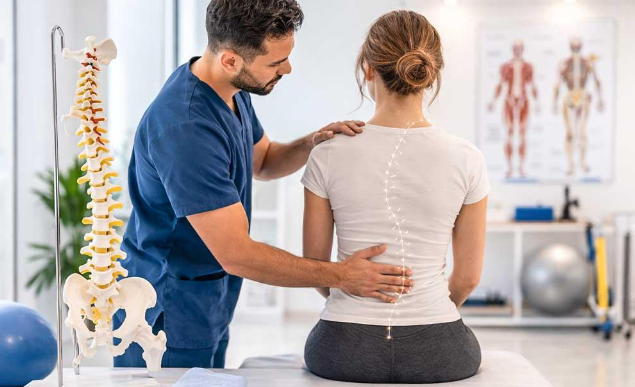
Scoliosis Treatment in Jaipur: Spinal Curvature, Symptoms & Physiotherapy Management
A healthy spine has natural curves that help maintain balance, support body weight, and allow comfortable movement. However, when the spine curves sideways and may also rotate, the condition is known as scoliosis. It can develop during childhood, adolescence, or adulthood and may affect posture, movement, and daily comfort.
If you are searching for scoliosis treatment in Jaipur, understanding the condition and available management options is an important first step. Depending on the type and severity of the spinal curve, treatment may include monitoring, specialized physiotherapy, bracing, or specialist medical care.
At My Physio Multispeciality Clinic Jaipur, physiotherapy and rehabilitation can help address posture, muscle strength, movement control, and functional difficulties associated with scoliosis.
What Is Scoliosis?
Scoliosis is a three-dimensional spinal condition in which the spine curves sideways and often rotates. The curve may resemble the letter C or S when viewed from behind.
A small spinal curve may cause few or no noticeable symptoms. However, a larger or progressive curve can affect shoulder alignment, waist symmetry, rib position, and overall posture.
Scoliosis can occur in children, teenagers, and adults. Treatment depends on the person's age, the size and location of the curve, whether the curve is progressing, and the presence of pain or neurological symptoms.
It is important to understand that scoliosis is not simply poor posture. Some curves develop due to structural changes in the spine and require appropriate clinical assessment.
Common Symptoms of Scoliosis
The symptoms of scoliosis vary from person to person. Some people notice visible changes in posture, while others discover the condition during a routine examination.
1. Uneven Shoulders
One shoulder may appear higher than the other. This difference can become more noticeable when standing naturally or wearing fitted clothing.
2. Uneven Waist or Hips
One side of the waist may look more curved, or one hip may appear higher than the other. These changes can indicate differences in spinal and pelvic alignment.
3. Visible Spinal Curvature
A sideways curve may be noticeable when viewing the back. However, a visual examination alone cannot confirm scoliosis or determine its severity.
4. Rib Prominence
Spinal rotation can cause one side of the rib cage to appear more prominent, particularly when bending forward.
5. Back Discomfort
Some people, especially adults with scoliosis, experience back pain, muscle fatigue, or stiffness. However, scoliosis does not always cause pain, and other causes of back pain should also be considered.
6. Changes in Posture and Balance
A more pronounced spinal curve may affect trunk alignment and balance. Some individuals may find prolonged standing or certain physical activities uncomfortable.
If you notice a new or worsening spinal deformity, persistent pain, weakness, numbness, or difficulty walking, seek an appropriate medical assessment.
What Causes Scoliosis?
Scoliosis has several possible causes. Identifying the type helps healthcare professionals determine suitable management.
1. Idiopathic Scoliosis
Idiopathic scoliosis is the most common type, particularly in adolescents. Its exact cause is unknown, although genetic and other biological factors may contribute.
2. Congenital Scoliosis
Congenital scoliosis develops when the vertebrae do not form or separate normally before birth. The curve may become apparent during childhood or as the child grows.
3. Neuromuscular Scoliosis
Certain neurological or muscular conditions can affect the muscles that support the spine. This imbalance may contribute to spinal curvature.
4. Degenerative Scoliosis
In adults, age-related changes in spinal discs and joints can contribute to a sideways curve. This type may occur alongside back pain or spinal stiffness.
5. Family History
Scoliosis can run in families, particularly some forms of adolescent idiopathic scoliosis. However, having a family history does not mean that a person will necessarily develop the condition.
Poor posture and carrying a bag on one shoulder do not generally cause structural scoliosis, although they may contribute to discomfort or uneven movement habits.
How Is Scoliosis Diagnosed?
An accurate diagnosis is important before starting a scoliosis management programme.
A healthcare professional may assess shoulder height, waist symmetry, spinal alignment, movement, and relevant neurological function. A forward-bend examination may help identify signs of spinal rotation.
Standing spinal X-rays are commonly used when indicated to confirm the curve and measure its angle, known as the Cobb angle. The need for further imaging depends on the patient's age, symptoms, examination findings, and suspected underlying cause.
For children and adolescents, monitoring growth and changes in the curve is especially important because scoliosis may progress during periods of rapid growth.
A physiotherapist can contribute to functional assessment and rehabilitation, while a qualified medical specialist can determine whether imaging, bracing, or other treatment is necessary.
How Physiotherapy Helps With Scoliosis Treatment in Jaipur
Physiotherapy can help manage certain symptoms and functional difficulties associated with scoliosis. However, its role depends on the curve's severity, the patient's age, and whether the condition is progressing.
Scoliosis physiotherapy in Jaipur may focus on improving movement, muscle endurance, body awareness, and the ability to perform daily activities.
1. Individualized Posture Assessment
A physiotherapist evaluates spinal alignment, movement patterns, muscle function, and activity limitations. This assessment helps establish realistic treatment goals.
The programme should be tailored to the patient's specific curve and physical needs rather than relying on the same exercises for everyone.
2. Scoliosis-Specific Exercises
Some patients may benefit from scoliosis-specific exercise approaches, such as the Schroth method, when provided by a suitably trained professional.
These programmes may use individualized three-dimensional correction, breathing techniques, and postural awareness. Their suitability depends on the patient's condition and treatment goals.
Exercises should be selected carefully, especially for children and adolescents with curves that may progress during growth.
3. Core and Trunk Strengthening
Targeted strengthening may help improve trunk endurance, movement control, and the ability to perform daily tasks.
A physiotherapist can select appropriate exercises for the abdominal, back, and hip muscles according to the individual's assessment.
4. Flexibility and Mobility Training
Some people with scoliosis experience muscle tightness or restricted movement. Carefully selected mobility exercises may help improve comfort and movement where appropriate.
The goal is to address individual restrictions without forcing the spine into uncomfortable positions.
5. Breathing and Body Awareness
Certain scoliosis-specific programmes incorporate breathing strategies and body awareness to help patients work on trunk alignment and movement control.
These techniques should be taught according to the patient's curve pattern and functional needs.
6. Balance and Functional Training
A personalized programme may include balance exercises, walking practice, and activities that support coordination and confidence during everyday movement.
The exercises should be adjusted to the patient's abilities and any associated medical conditions.
7. Monitoring and Coordination With Specialist Care
Physiotherapy is one part of scoliosis management. For growing children and adolescents, regular monitoring may be needed to check whether the curve is progressing.
Some patients may require a spinal brace, while others with significant or progressive curves may need an orthopaedic specialist's assessment. Physiotherapy should complement rather than replace these treatments when indicated.
Can Physiotherapy Straighten a Scoliotic Spine?
Physiotherapy may help improve posture awareness, strength, movement, and quality of life. Certain scoliosis-specific exercise programmes may also help with curve management in selected patients.
However, physiotherapy does not reliably straighten every structural spinal curve. Results depend on the curve's size, flexibility, cause, age, and stage of growth.
For growing children and adolescents, treatment may involve observation, bracing, and scoliosis-specific exercises depending on the risk of progression. In adults, management often focuses on pain, function, and mobility, although progressive deformity may require specialist care.
Severe or progressive curves may need surgical evaluation. A qualified specialist can explain which options are appropriate for an individual patient.
Scoliosis Management in Children and Teenagers
Scoliosis often becomes noticeable during periods of rapid growth. Early recognition is helpful because a curve can progress as the child grows.
Parents may notice uneven shoulders, an asymmetrical waist, or one side of the rib cage appearing more prominent. These signs do not confirm scoliosis, but they may justify an assessment.
Management depends on the child's age, remaining growth, curve measurement, and risk of progression. A healthcare professional may recommend periodic monitoring, a brace, or scoliosis-specific physiotherapy.
Parents should avoid starting aggressive corrective exercises without professional guidance. An individualized plan can help address the child's needs while supporting normal physical activity.
When Should You Consult a Specialist?
A professional assessment is appropriate if you notice visible spinal curvature, persistent back discomfort, or changes in posture.
Seek prompt medical attention if spinal curvature is accompanied by progressive weakness, significant numbness, difficulty walking, or changes in bladder or bowel control. These symptoms require evaluation rather than routine exercise-based management.
If a child or teenager develops a visible curve during a growth spurt, arrange an assessment to determine whether monitoring or treatment is necessary.
Why Consider My Physio Multispeciality Clinic Jaipur?
Choosing appropriate care for scoliosis begins with understanding the individual's spinal alignment, movement limitations, and rehabilitation goals.
My Physio Multispeciality Clinic Jaipur provides physiotherapy and rehabilitation services for people experiencing spinal discomfort, mobility difficulties, and musculoskeletal conditions.
The clinic is led by Prof. (Dr.) Atul Kumar Singh, who has 15 years of experience in orthopaedics, sports physiotherapy, and rehabilitation.
Depending on the assessment, physiotherapy may focus on:
-
Posture and movement assessment.
-
Individualized strengthening exercises.
-
Mobility and functional training.
-
Body awareness and movement control.
-
Rehabilitation planning based on the patient's needs.
People with scoliosis may also need monitoring or treatment from an orthopaedic spine specialist. The appropriate care pathway depends on the curve and the patient's clinical findings.
Book a Physiotherapy Consultation for Scoliosis in Jaipur
Scoliosis affects people differently. Some individuals require only monitoring, while others benefit from structured rehabilitation or additional medical treatment.
If you are looking for scoliosis treatment in Jaipur, contact My Physio Multispeciality Clinic to discuss your symptoms and physiotherapy options.
My Physio Multispeciality Clinic Jaipur
Phone: 6377511211
Email: myphysioindia@gmail.com
Address: Shop No. 2F-303, Opposite Metro Pillar 103, New Sanganer Road, Near Lajeez Hotel, Shyam Nagar, Jaipur, Rajasthan.
Website: https://myphysiojaipur.in/
Instagram: https://www.instagram.com/myphysioindia/
X (Twitter): https://x.com/myphysioindia?s=21
YouTube: https://www.youtube.com/@myphysio7201
Contact the clinic to discuss your concerns and learn whether physiotherapy may form part of an appropriate scoliosis management plan.
Frequently Asked Questions
1. What is the best treatment for scoliosis in Jaipur?
Treatment depends on age, curve size, progression, and symptoms. Options may include monitoring, scoliosis-specific physiotherapy, bracing, or specialist treatment.
2. Can physiotherapy cure scoliosis?
Physiotherapy can help improve movement, strength, posture awareness, and function. However, it cannot guarantee that a structural spinal curve will disappear.
3. Is scoliosis painful?
Scoliosis does not always cause pain. Some adults experience back discomfort or stiffness, while children and teenagers may have a visible curve without significant pain.
4. Can scoliosis worsen with age?
Some curves progress, particularly during periods of rapid growth. Adults may also experience progression due to degenerative changes. Regular assessment helps determine whether monitoring is necessary.
5. Which exercises are suitable for scoliosis?
Exercises depend on the curve pattern, age, and individual needs. A physiotherapist trained in scoliosis-specific approaches may recommend tailored strengthening, posture correction, breathing, and movement exercises.
6. Does every person with scoliosis need surgery?
No. Many people do not require surgery. Management may involve monitoring, physiotherapy, or bracing, while selected patients with severe or progressive curves may need surgical evaluation.
7. When should a child with scoliosis be assessed?
Arrange an assessment if you notice uneven shoulders, an asymmetrical waist, or a visible spinal curve. Early evaluation can help determine whether monitoring or treatment is appropriate.
 Whatsapp No. : 9782468066