 6377511211
 myphysioindia@gmail.com
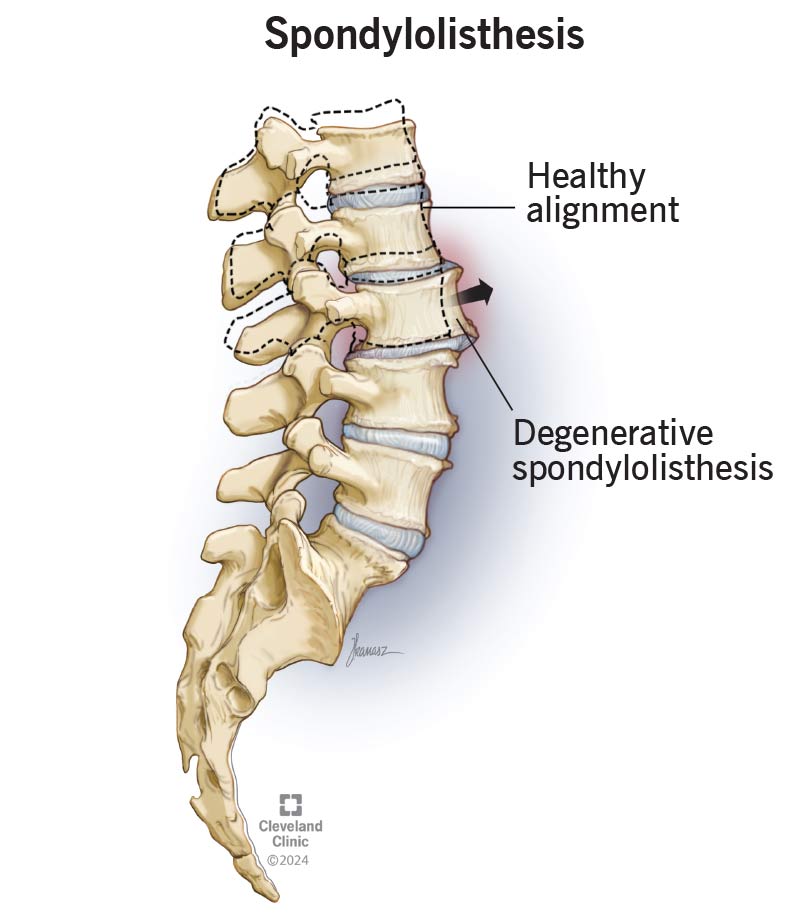
Spondylolisthesis in Jaipur: Understanding Vertebral Slippage & Spine Rehabilitation
Spondylolisthesis is a spinal condition in which one vertebra slips forward in relation to the vertebra below it. This condition most commonly affects the lower back and may cause back pain, stiffness, leg discomfort or difficulty standing and walking. However, some people have vertebral slippage without noticeable symptoms.
Early assessment can help identify the cause of discomfort and guide an appropriate treatment plan. For people seeking spondylolisthesis treatment in Jaipur, physiotherapy may help manage symptoms, improve spinal support and restore everyday movement when clinically appropriate.
What Is Spondylolisthesis?
The spine consists of small bones called vertebrae. These bones protect the spinal cord, support body weight and allow the body to bend and move.
In spondylolisthesis, one vertebra shifts from its usual position relative to the vertebra beneath it. This movement can irritate nearby joints or put pressure on spinal nerves.
Spondylolisthesis is not the same as a slipped disc. A slipped disc involves the soft cushioning tissue between vertebrae, whereas spondylolisthesis involves the position of the vertebral bones.
The severity and symptoms vary from person to person. Therefore, treatment should depend on the degree of slippage, the presence of nerve symptoms and the person's daily activity needs.
Common Causes of Spondylolisthesis
Several factors can contribute to vertebral slippage. The most common causes include:
1. Age-Related Changes
As people age, spinal discs and joints may undergo gradual wear and tear. These changes can affect spinal stability and contribute to degenerative spondylolisthesis.
2. Stress Fractures in the Spine
Repeated stress on a small part of a vertebra can cause a fracture known as spondylolysis. In some cases, this defect allows the vertebra to slip forward.
This type of injury may occur in young athletes who repeatedly arch or extend their lower backs during sports and training.
3. Congenital Spinal Differences
Some people develop spinal structures that make vertebral slippage more likely. Symptoms may appear during childhood, adolescence or adulthood.
4. Injury or Trauma
A significant fall, accident or direct injury can damage spinal structures and cause vertebral displacement.
5. Degenerative Spinal Conditions
Changes in spinal discs, joints and supporting tissues may reduce stability over time. These changes can increase the likelihood of slippage, particularly in older adults.
Symptoms of Spondylolisthesis
Spondylolisthesis does not always cause pain. When symptoms develop, they may range from mild stiffness to discomfort that affects walking and other daily activities.
Common symptoms include:
-
Persistent lower back pain.
-
Pain that becomes worse during prolonged standing or walking.
-
Stiffness in the lower back.
-
Tightness in the hamstring muscles.
-
Pain spreading to the buttocks or thighs.
-
Tingling, numbness or pain travelling down one or both legs.
-
Reduced flexibility and difficulty bending.
-
Leg weakness or difficulty walking in more advanced cases.
Some people find that sitting or bending forward eases their symptoms. However, symptom patterns differ, so a professional assessment is important.
How Is Spondylolisthesis Diagnosed?
A healthcare professional will review your symptoms, medical history and physical abilities before recommending treatment.
Physical Assessment
The assessment may include checking spinal movement, posture, muscle strength, flexibility, walking ability and nerve-related symptoms. Your physiotherapist may also ask which activities increase or reduce your discomfort.
Imaging Tests
A spinal X-ray can help identify vertebral slippage and estimate its severity. Depending on your symptoms, a doctor may recommend an MRI to assess nerves and soft tissues or a CT scan to examine bone structures in greater detail.
Imaging decisions depend on your clinical presentation. A scan alone does not determine the best treatment; your symptoms and functional limitations also matter.
Physiotherapy for Spondylolisthesis in Jaipur
Physiotherapy can play an important role in managing symptoms of spondylolisthesis, particularly when a healthcare professional considers conservative treatment appropriate.
At My Physio Multispeciality Clinic Jaipur, a rehabilitation plan should be tailored to the individual's symptoms, assessment findings and medical advice.
1. Core Muscle Strengthening
The abdominal and trunk muscles help support the spine during everyday movement. A physiotherapist may prescribe suitable core exercises to improve muscular control and support.
Exercises should begin at an appropriate level and progress according to your tolerance.
2. Gentle Flexibility Exercises
Tight muscles around the hips, thighs or lower back may contribute to movement difficulties. A physiotherapist can select gentle stretches that address these limitations without aggravating symptoms.
Not every stretch suits every type of spondylolisthesis, so avoid forcing painful movements.
3. Posture and Movement Training
Your physiotherapist may teach you how to sit, stand, bend and lift with better movement control. These strategies can help you manage daily tasks while reducing unnecessary strain on your back.
4. Gradual Strength and Endurance Training
Once symptoms allow, a rehabilitation programme may include controlled strengthening and low-impact activities such as walking, depending on the assessment.
Gradual progression can help improve endurance and confidence during daily activities.
5. Pain Management Strategies
Your physiotherapist may use appropriate comfort measures alongside exercise and movement education. The treatment plan should focus on improving function, not simply providing temporary pain relief.
Manual therapy or other physical modalities may be considered when appropriate, but they should not replace an individualised exercise and rehabilitation programme.
Important: Physiotherapy can help manage symptoms and improve movement, but it does not physically reposition a slipped vertebra. Your treatment plan must account for spinal stability and any nerve involvement.
Exercises for Spondylolisthesis: What Should You Know?
Exercise selection depends on the type and severity of vertebral slippage, pain levels and any associated nerve symptoms.
A physiotherapist may recommend carefully selected core-stability exercises, gentle flexibility work and progressive functional training. Some people may benefit from exercises that keep the lower back in a comfortable, supported position.
However, certain movements may aggravate symptoms, particularly repeated or loaded backward bending in some cases. Avoid exercises that trigger increasing back pain, radiating leg pain, numbness or weakness.
Do not begin an online exercise routine without professional guidance if you have a confirmed spinal fracture, significant vertebral slippage or neurological symptoms.
Daily Activities and Lifestyle Tips
Alongside physiotherapy, a few practical changes may help you manage symptoms.
-
Stay active within your tolerance: Avoid prolonged bed rest unless a clinician advises otherwise.
-
Change positions regularly: Take breaks during long periods of sitting or standing.
-
Lift carefully: Keep objects close to your body and avoid lifting loads that aggravate your symptoms.
-
Modify painful activities: Temporarily reduce activities that repeatedly trigger discomfort.
-
Follow your rehabilitation plan: Progress exercises gradually rather than increasing intensity too quickly.
-
Seek professional guidance: Ask your healthcare provider before returning to strenuous sports or heavy lifting.
These steps may support symptom management, but they cannot guarantee that vertebral slippage will stop progressing.
Does Spondylolisthesis Always Require Surgery?
No. Many people, particularly those with low-grade slippage and manageable symptoms, can begin with non-surgical treatment. This may include activity modification, appropriate medication prescribed or recommended by a clinician, and physiotherapy.
A spine specialist may consider surgery if severe pain persists despite suitable conservative treatment, the slippage is significant, neurological symptoms worsen or spinal instability creates other concerns.
The decision depends on the person's symptoms, examination, imaging and overall health. A healthcare professional can explain the available options and their potential benefits and risks.
When Should You Seek Medical Attention?
Arrange a medical assessment if back pain persists, repeatedly returns or interferes with standing, walking or everyday activities.
Seek emergency medical care if you develop new loss of bladder or bowel control, numbness around the groin or saddle area, or rapidly worsening leg weakness. These symptoms may indicate serious nerve compression.
Severe pain following a significant accident or fall also needs urgent assessment.
Spondylolisthesis Treatment in Jaipur at My Physio Multispeciality Clinic
Living with back pain and restricted movement can make routine activities challenging. An appropriate rehabilitation programme can help address muscle weakness, movement difficulties and activity limitations associated with spondylolisthesis.
At My Physio Multispeciality Clinic Jaipur, the goal of physiotherapy is to support safe movement, improve functional strength and help individuals work towards their daily activity goals. Treatment recommendations should follow a proper assessment and medical advice where needed.
If you experience persistent lower back pain, stiffness or discomfort that travels into your legs, seek an assessment to understand the cause and explore suitable treatment options.
Contact My Physio Multispeciality Clinic Jaipur
-
Phone: 6377511211
-
Email: myphysioindia@gmail.com
-
Website: https://myphysiojaipur.in/
-
Address: Shop No. 2F-303, opposite Metro Pillar 103, New Sanganer Road, near Lajeez Hotel, Shyam Nagar, Jaipur, Rajasthan.
Frequently Asked Questions (FAQs)
1. What is spondylolisthesis?
Spondylolisthesis occurs when one vertebra slips forward relative to the vertebra below it. It most commonly affects the lower back and may or may not cause symptoms.
2. Can physiotherapy help with spondylolisthesis?
Yes. When clinically appropriate, physiotherapy can help improve core strength, flexibility, movement control and everyday function. However, it does not physically move the slipped vertebra back into place.
3. Is walking good for spondylolisthesis?
Gentle walking may help some people maintain activity, provided it does not worsen their symptoms. Start with a comfortable duration and seek professional advice if walking increases pain, numbness or weakness.
4. Which exercises should I avoid with spondylolisthesis?
The exercises to avoid depend on your condition. Repeated painful back extension, heavy lifting and high-impact activities may aggravate symptoms in some individuals. A physiotherapist can identify suitable modifications.
5. Can spondylolisthesis be treated without surgery?
Many people manage their symptoms with non-surgical care, including activity modification and physiotherapy. However, some cases require specialist assessment or surgery, particularly when symptoms are severe or neurological problems develop.
6. When should I consult a physiotherapist for spondylolisthesis in Jaipur?
Consider an assessment if back pain, stiffness or leg discomfort limits your daily activities. Seek urgent medical care for new bladder or bowel problems, saddle numbness or rapidly worsening leg weakness.
Conclusion
Spondylolisthesis can affect spinal comfort, mobility and daily life, but treatment options are available. Early assessment, appropriate activity modification and individualised spine rehabilitation may help manage symptoms and improve function. If you are looking for spondylolisthesis treatment in Jaipur, consult a qualified healthcare professional to determine the most suitable approach for your condition.
 Whatsapp No. : 9782468066