 6377511211
 myphysioindia@gmail.com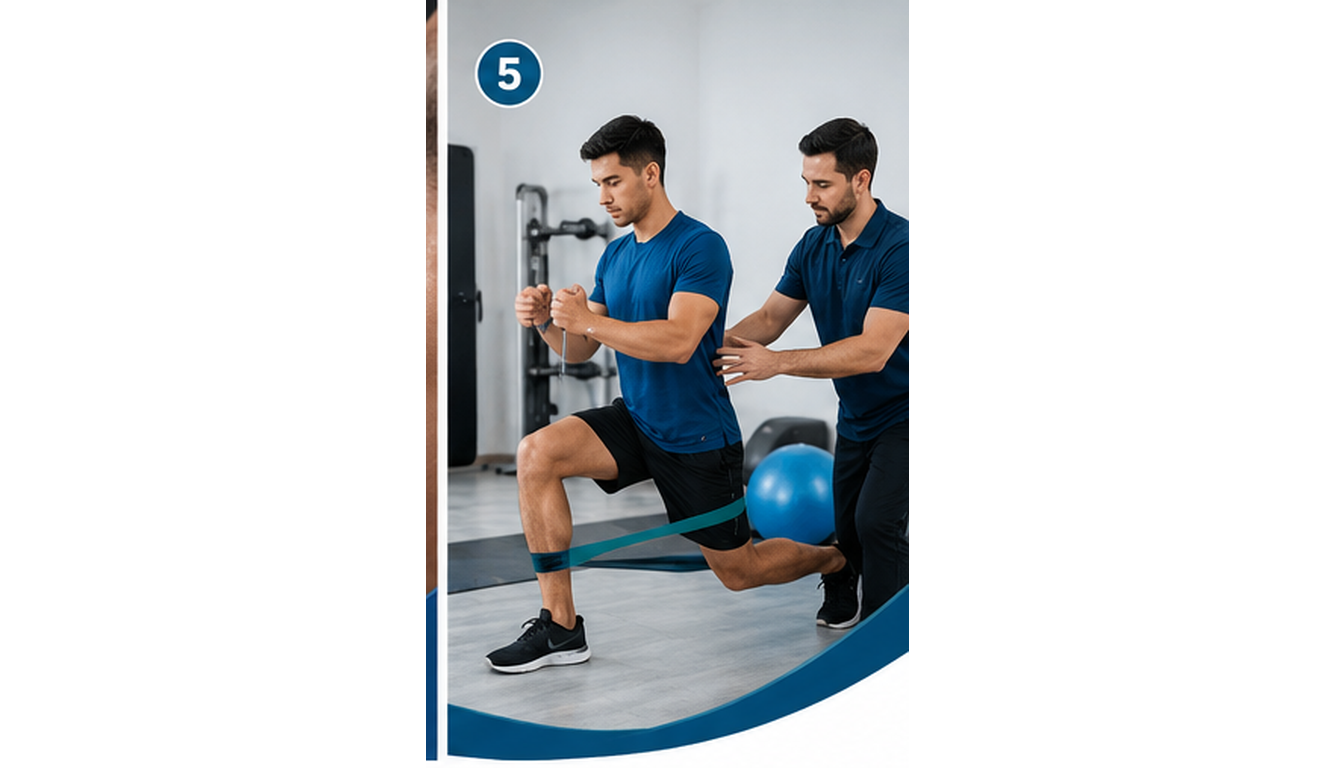
Sports Injury Recovery: How Sports Rehabilitation Speeds Up Healing
Sports injuries can happen to athletes of all levels, from professional players to people who exercise regularly. Sprains, muscle strains, ligament injuries, tendon problems, and overuse injuries can affect mobility and keep you away from your favorite activities.
A properly planned sports rehabilitation program can support recovery by improving strength, flexibility, balance, coordination, and movement. It also helps athletes gradually return to their activities instead of rushing back too soon.
At My Physio Multispeciality Clinic, Jaipur, sports rehabilitation programs are personalized according to the injury, physical condition, activity level, and recovery goals of each patient.
What Is Sports Rehabilitation?
Sports rehabilitation is a structured physiotherapy approach designed to help people recover from sports-related injuries and return safely to their desired level of physical activity.
A rehabilitation program may include:
- Exercise therapy
- Strength training
- Flexibility exercises
- Mobility exercises
- Balance training
- Manual therapy
- Movement correction
- Sport-specific exercises
- Injury prevention strategies
The exact treatment depends on the type and severity of the injury.
Common Sports Injuries
Athletes may experience different types of injuries, including:
- Ankle sprains
- Knee injuries
- Muscle strains
- Ligament injuries
- Tennis elbow
- Shoulder injuries
- Tendon problems
- Hamstring injuries
- Groin injuries
- Sports-related back pain
Some injuries occur suddenly, while others develop gradually due to repetitive movements or overtraining.
How Sports Rehabilitation Helps Recovery
1. Reduces Pain and Discomfort
Appropriate physiotherapy techniques can help manage pain and allow patients to participate more comfortably in their rehabilitation program.
2. Restores Range of Motion
Injuries can cause stiffness and restricted movement. Stretching, mobility exercises, and appropriate manual techniques can help restore normal movement.
3. Builds Muscle Strength
Muscles can become weak after an injury or period of reduced activity. Progressive strengthening exercises help rebuild strength and improve support around the injured area.
4. Improves Balance and Coordination
Balance and coordination are important for athletes. Rehabilitation exercises can help improve control and stability before returning to demanding physical activities.
5. Improves Movement Patterns
Incorrect movement patterns can place additional stress on muscles and joints. Physiotherapists can identify movement problems and teach safer techniques.
6. Supports a Gradual Return to Sports
Returning to sports too quickly can increase the risk of aggravating an injury. Rehabilitation allows athletes to progress through different stages before returning to full activity.
7. Helps Prevent Future Injuries
A rehabilitation program can identify factors that may contribute to repeated injuries. Strengthening weak areas, improving flexibility, and correcting movement patterns can help reduce future injury risk.
Why Returning to Sports Too Early Can Be a Problem
Feeling less pain does not always mean that an injury has completely recovered. Returning to intense activity before adequate strength, mobility, and control have been restored may increase the risk of reinjury.
A physiotherapist can help determine when and how to progress your activities based on your recovery.
Stages of Sports Rehabilitation
Although every rehabilitation plan is different, recovery may involve several stages:
Early Recovery
The initial focus may be on managing symptoms, protecting the injured area, and maintaining safe movement.
Strength and Mobility
Once appropriate, exercises are gradually introduced to restore flexibility, strength, and joint mobility.
Functional Training
Patients begin performing movements that are more closely related to their daily activities or sport.
Return to Sport
Sport-specific drills and progressive exercises may be introduced to help the athlete safely return to their normal activity level.
Advanced Physiotherapy Treatments for Sports Injuries
Depending on the injury and assessment, physiotherapy may include treatments such as:
- Manual Therapy
- Exercise Therapy
- Dry Needling Therapy
- Shock Wave Therapy
- Laser Therapy
- Electrotherapy
- Kinesio Taping
- Rigid Taping
- Mobility Training
Not every treatment is suitable for every injury. Your physiotherapist can recommend the most appropriate combination based on your condition.
When Should You See a Physiotherapist?
Consider getting a professional assessment if you experience:
- Persistent pain after sports activity
- Swelling
- Difficulty moving a joint
- Reduced strength
- Repeated injuries
- Difficulty returning to your previous activity level
- Pain that continues despite rest
Early assessment can help identify the injury and create an appropriate rehabilitation plan.
Sports Rehabilitation at My Physio Multispeciality Clinic, Jaipur
At My Physio Multispeciality Clinic in Jaipur, our sports rehabilitation programs focus on helping patients regain movement, strength, flexibility, and confidence after an injury.
Each program is customized according to the patient's condition and may include therapeutic exercises, manual techniques, advanced physiotherapy modalities, and sport-specific rehabilitation.
Conclusion
Recovering from a sports injury requires more than simply waiting for the pain to disappear. A structured rehabilitation program can help restore strength, mobility, balance, and functional movement while supporting a gradual return to physical activity.
If you are recovering from a sports injury or experiencing recurring pain during exercise, consult the physiotherapy team at My Physio Multispeciality Clinic, Jaipur for a personalized assessment and rehabilitation plan.
 Whatsapp No. : 9782468066