 6377511211
 myphysioindia@gmail.com
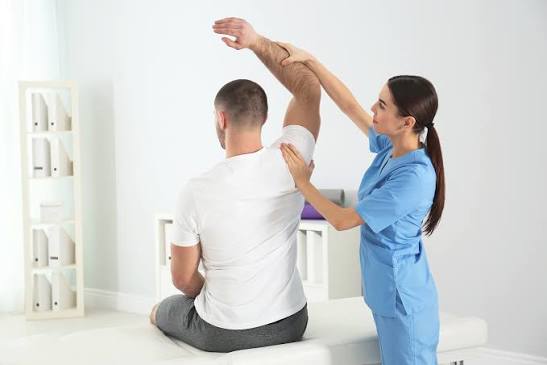
Sports Physiotherapist in Jaipur: Sports Injury Care, Rehabilitation and Recovery
Sports and physical activities help improve fitness, strength, flexibility and overall health. However, running, jumping, lifting weights and playing games can sometimes lead to injuries. Whether you are a professional athlete, a fitness enthusiast or someone who enjoys weekend sports, an injury can affect your movement and daily routine.
A sports physiotherapist in Jaipur can help assess movement-related problems and develop a rehabilitation plan based on your injury, fitness level and sporting goals. Sports physiotherapy focuses on improving strength, flexibility, balance and physical performance while supporting a safe return to activity.
At My Physio Multispeciality Clinic, Jaipur, individuals can seek physiotherapy guidance for pain management, movement difficulties and rehabilitation needs.
What Does a Sports Physiotherapist Do?
A sports physiotherapist works with people who experience injuries or physical difficulties related to sports, exercise and other physical activities.
The main aim is to help improve physical function and prepare the body for the demands of a particular activity. The rehabilitation plan depends on the type and severity of the injury, the person's health and their recovery goals.
A sports physiotherapist may help with:
-
Assessing sports-related muscle and joint injuries
-
Managing movement difficulties and pain
-
Improving joint mobility and muscle flexibility
-
Building strength and balance
-
Improving coordination and movement control
-
Planning sport-specific rehabilitation exercises
-
Supporting a gradual return to training and sports
Sports physiotherapy is not limited to professional players. Runners, gym members, cyclists, swimmers, football players, badminton players and recreational athletes may also benefit from an appropriate assessment.
Common Sports Injuries That May Need Physiotherapy
Sports injuries can happen suddenly during physical activity or develop gradually due to repeated movements and excessive training loads.
1. Muscle Strains
A muscle strain occurs when muscle fibres are overstretched or damaged. It may happen during sprinting, jumping, lifting weights or sudden changes in direction.
Common symptoms include pain, tenderness, stiffness and difficulty using the affected muscle. Rehabilitation may include suitable mobility exercises, gradual strengthening and movement training.
2. Ligament Sprains
Ligaments connect bones and help stabilise joints. A sprain occurs when a ligament is stretched or injured, often after twisting or landing awkwardly.
Ankle and knee sprains are common in activities involving running, jumping and quick turns. Treatment depends on the severity of the injury and may require medical assessment before rehabilitation begins.
3. Knee Injuries
The knee experiences significant pressure during running, jumping, squatting and changing direction. Sports-related knee problems may involve ligaments, cartilage, tendons or surrounding muscles.
Some injuries, such as ACL or meniscus injuries, need a detailed medical evaluation. Physiotherapy may be included in a rehabilitation programme to improve knee movement, strength, balance and functional control.
4. Ankle Injuries
An ankle injury may occur when the foot rolls or twists during running, jumping or landing. Pain, swelling and difficulty putting weight on the foot can follow.
A physiotherapist may assess ankle movement, strength and balance. Rehabilitation exercises are selected according to the injury and the person's ability to tolerate activity.
5. Shoulder Injuries
Sports such as swimming, badminton, tennis and weightlifting involve repeated shoulder movements. Overuse or poor movement patterns may contribute to shoulder pain and reduced mobility.
A suitable rehabilitation programme may focus on shoulder strength, flexibility, posture and controlled movement.
6. Tendon-Related Problems
Tendons connect muscles to bones. Repeated loading, sudden increases in training or insufficient recovery may contribute to tendon pain.
Sports physiotherapy may include carefully planned strengthening and adjustments to activity levels. The exercises and progression depend on the affected tendon and individual assessment.
How Sports Physiotherapy Helps in Rehabilitation
Sports injury rehabilitation is a planned process. It does not involve the same exercises for every person. The physiotherapist considers the injury, current physical ability and the demands of the sport before selecting suitable activities.
1. Initial Assessment
The rehabilitation process generally begins with an assessment. The physiotherapist may review:
-
How and when the injury occurred
-
Location and intensity of pain
-
Swelling and tenderness
-
Joint movement and flexibility
-
Muscle strength
-
Balance and coordination
-
Previous injuries
-
Training routine and sporting activities
This information helps guide the rehabilitation plan. Some injuries may also require a doctor's evaluation or diagnostic tests.
2. Managing Pain and Movement Difficulties
Depending on the injury, the early rehabilitation plan may focus on managing discomfort, reducing unnecessary strain and maintaining suitable movement.
The physiotherapist may recommend activity modification and appropriate exercises. The aim is to avoid overloading the injured area while supporting recovery.
3. Improving Strength and Flexibility
Muscle weakness and restricted movement can affect how the body performs during sports. Gradual strengthening and mobility exercises may help improve physical function.
Exercises are selected according to the affected body part and the athlete's current ability.
4. Balance and Coordination Training
Balance and coordination are important for activities such as running, football, basketball, badminton and tennis.
A rehabilitation programme may include controlled balance exercises, single-leg activities and movement drills. These exercises can help improve body control during sports-related movements.
5. Sport-Specific Training
Before returning to regular training, an athlete may need to practise movements related to their sport.
For example, a runner may gradually work on running mechanics, while a badminton player may practise controlled footwork and direction changes. The level of difficulty should increase according to the person's progress.
When Should You Visit a Sports Physiotherapist?
Do not ignore repeated discomfort or changes in movement during physical activity. Consider professional assessment if you experience:
-
Pain during or after sports activities
-
Repeated muscle tightness or strains
-
Swelling around a joint
-
Difficulty running, jumping or changing direction
-
Reduced flexibility or joint movement
-
Weakness after an injury
-
Difficulty returning to your previous exercise routine
-
Recurring injuries in the same body area
Early assessment can help identify the problem and determine the appropriate next steps.
However, severe pain after an accident, visible deformity, inability to bear weight, major swelling or suspected fracture needs prompt medical evaluation. A head injury with symptoms such as confusion, repeated vomiting or loss of consciousness also requires urgent medical attention.
How to Reduce the Risk of Sports Injuries
Although every injury cannot be prevented, healthy training habits may help reduce avoidable risks.
Warm Up Before Exercise
Start with a suitable warm-up before intense physical activity. Gradually increase movement intensity instead of beginning with sudden sprinting or heavy exercise.
Increase Training Gradually
Avoid making sudden increases in workout duration, distance, speed or weight. Give your body time to adapt to new training demands.
Improve Strength and Flexibility
Regular strength and mobility exercises can support better movement control. Focus on the muscle groups and joints used in your sport.
Use Proper Technique
Incorrect movement patterns may place unnecessary stress on muscles and joints. Learn suitable techniques for lifting, running, jumping and other sports activities.
Allow Enough Recovery Time
Rest and recovery are important parts of training. Avoid repeatedly pushing through pain or ignoring signs of excessive fatigue.
Choose Suitable Footwear and Equipment
Use sports shoes and protective equipment appropriate for your activity. Replace worn-out equipment when necessary.
Returning to Sports After an Injury
Returning to sports too early may increase the risk of aggravating an injury. Being free from pain does not always mean the body is ready for full training or competition.
A gradual return-to-sport plan may consider:
-
Comfortable joint movement
-
Adequate muscle strength
-
Balance and coordination
-
Ability to perform sport-specific movements
-
Tolerance for progressively higher activity levels
-
Confidence and readiness to participate
The return-to-sport decision should be based on the nature of the injury and professional assessment. Some injuries require medical clearance before unrestricted participation.
Why Choose Professional Sports Physiotherapy in Jaipur?
Choosing appropriate rehabilitation support can make the recovery process more organised. When looking for a sports physiotherapist in Jaipur, consider the following factors:
-
Proper assessment before starting exercises
-
A rehabilitation plan based on your injury
-
Exercises suited to your sport and fitness level
-
Regular progress monitoring
-
Clear guidance on activity modification
-
Advice on returning to training safely
-
Communication with your treating doctor when required
Avoid following random exercise routines from the internet without understanding whether they are suitable for your injury.
Sports Physiotherapy at My Physio Multispeciality Clinic, Jaipur
My Physio Multispeciality Clinic provides physiotherapy and rehabilitation-related services for people experiencing pain, movement difficulties and physical activity-related concerns.
The clinic focuses on understanding individual needs and guiding people towards suitable physiotherapy care. Whether you are dealing with a sports-related injury or want professional guidance for improving movement and physical function, an assessment can help identify the next steps.
If you are looking for a sports physiotherapist in Jaipur, contact the clinic to discuss your concerns and appointment requirements.
Contact My Physio Multispeciality Clinic
Clinic: My Physio Multispeciality Clinic, Jaipur
Address: Shop No. 2F-303, Opposite Metro Pillar 103, New Sanganer Road, Near Lajeez Hotel, Shyam Nagar, Jaipur, Rajasthan.
Phone: 6377511211
Email: myphysioindia@gmail.com
Website: https://myphysiojaipur.in/
Frequently Asked Questions
1. What is sports physiotherapy?
Sports physiotherapy focuses on assessing and managing injuries related to sports and physical activities. It may include mobility exercises, strengthening, balance training and sport-specific rehabilitation.
2. Can a sports physiotherapist help with knee injuries?
A sports physiotherapist may help with rehabilitation for certain knee injuries. The treatment plan depends on the diagnosis, injury severity and individual needs. Some knee injuries require medical or surgical assessment.
3. When can I return to sports after an injury?
The timing depends on the type of injury and recovery progress. A safe return generally involves checking strength, movement, balance and the ability to perform sport-specific activities.
4. Is sports physiotherapy only for professional athletes?
No. Recreational players, runners, gym members and people who participate in regular exercise may also need sports physiotherapy.
5. Can sports physiotherapy help prevent recurring injuries?
A suitable programme may help improve strength, movement control and training habits. However, no programme can guarantee that an injury will not happen again.
6. Where can I consult a sports physiotherapist in Jaipur?
You can contact My Physio Multispeciality Clinic in Shyam Nagar, Jaipur, to enquire about physiotherapy assessment and rehabilitation services.
 Whatsapp No. : 9782468066