 6377511211
 myphysioindia@gmail.com
Thoracic Back Pain: Causes of Mid-Back Pain & Physiotherapy Treatment in Jaipur
Mid-back pain can make simple daily activities uncomfortable. Sitting at a desk, twisting your body, reaching overhead, or taking a deep breath may become difficult when the muscles and joints around the middle of your back feel tight or painful.
Thoracic back pain affects the region between the base of the neck and the lower back. It may develop because of muscle strain, prolonged positioning, joint irritation, or other spinal conditions. While many cases improve with appropriate self-care and movement, persistent or severe pain deserves medical assessment.
At My Physio Multispeciality Clinic in Jaipur, physiotherapy may help suitable patients improve mobility, manage discomfort, and return to everyday activities through an individualized treatment programme.
What Is Thoracic Back Pain?
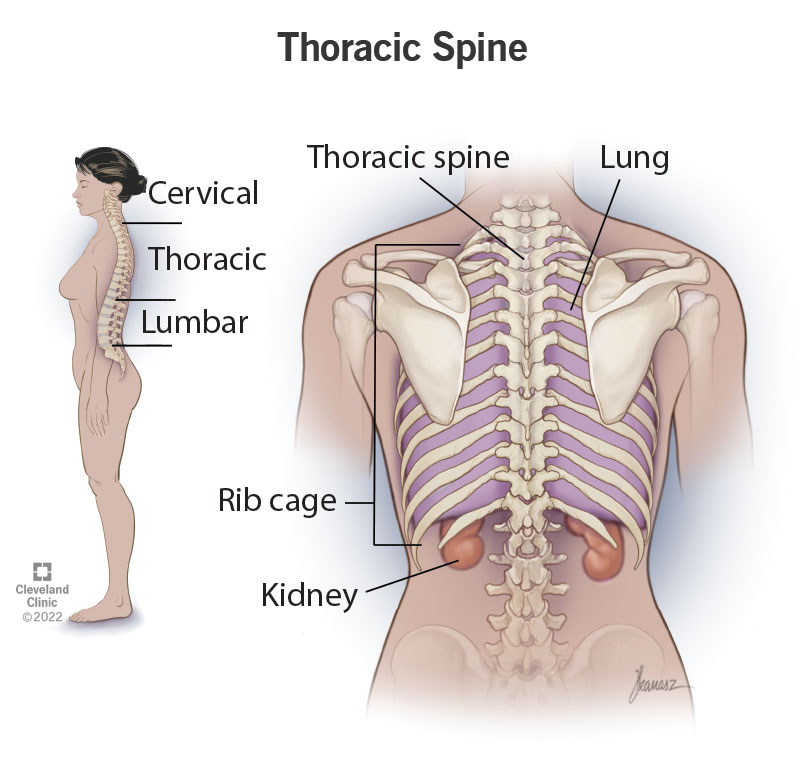
The thoracic spine is the middle section of the spine. It contains 12 vertebrae, labelled T1 to T12, and connects with the ribs to help support the chest.
Thoracic back pain refers to discomfort in or around this area, often between the shoulder blades or along the middle of the back. The pain may feel dull, aching, sharp, tight, or burning.
Some people notice symptoms after sitting for long periods, lifting heavy objects, or performing unfamiliar physical activities. Others experience discomfort that develops gradually without one obvious cause.
Thoracic back pain is often related to muscles, joints, or other musculoskeletal structures. However, pain in this region can sometimes indicate a medical condition that needs specific treatment.
Common Symptoms of Mid-Back Pain
Thoracic back pain can affect people differently depending on its cause and severity.
1. Pain Between the Shoulder Blades
Discomfort between the shoulder blades is a common symptom. It may feel like a persistent ache or a sharp sensation that becomes more noticeable during certain movements.
Long periods at a desk, repetitive reaching, or increased physical activity may aggravate muscular discomfort in this area.
2. Mid-Back Stiffness
You may notice stiffness when turning your upper body, bending, or getting up after sitting for a long time. Some people also experience stiffness after waking up.
Gentle movement may help with uncomplicated muscular stiffness, although persistent or worsening symptoms should be assessed.
3. Muscle Tightness and Spasms
The muscles around the thoracic spine and shoulder blades may feel tight or tender. In some cases, muscle spasms can make it uncomfortable to twist or straighten the back.
4. Pain During Twisting or Reaching
Certain movements can aggravate pain caused by muscle strain or irritation of the joints around the thoracic spine and ribs. You may notice discomfort while reaching overhead, carrying bags, or turning to one side.
5. Pain Spreading Around the Ribs
Some thoracic spine conditions can cause pain that travels around the chest wall or ribs. Nerve irritation may also produce burning, tingling, or altered sensation.
However, pain around the chest or ribs can have causes unrelated to the spine. Seek medical assessment if you are unsure about the source.
6. Discomfort During Deep Breathing
Muscle or rib-joint problems may cause discomfort when taking a deep breath. Nevertheless, pain with breathing can also indicate a lung, heart, or other medical condition. Do not automatically assume it is a muscle problem, especially if it starts suddenly or occurs with breathlessness.
What Causes Thoracic Back Pain?
Several factors can contribute to pain in the middle of the back. Identifying the likely cause helps guide appropriate treatment.
1. Muscle Strain
Muscle strain can develop after lifting, twisting, exercise, or repetitive physical activity. The discomfort may begin suddenly or appear gradually after increased activity.
Muscle strain often causes tenderness, tightness, and pain during certain movements.
2. Prolonged Sitting and Limited Movement
Working at a computer, driving for long periods, or remaining in one position for too long may contribute to stiffness and muscular discomfort.
Regular movement breaks and a comfortable workstation may help reduce symptoms. There is no single perfect posture; changing positions throughout the day is also important.
3. Poorly Tolerated Lifting or Repetitive Activity
Suddenly increasing exercise intensity, carrying heavy bags, or repeatedly reaching and twisting can place additional demands on the back.
Gradually increasing activity and using comfortable movement techniques may help reduce unnecessary strain.
4. Thoracic Joint Irritation
The joints between the thoracic vertebrae and the joints connecting the ribs to the spine help the upper body move and expand during breathing.
Irritation in these areas may cause localized pain or discomfort during twisting, reaching, or certain breathing movements.
5. Thoracic Disc Problems
A disc in the thoracic spine can bulge or herniate, although symptomatic thoracic disc problems are less common than those affecting the neck or lower back.
When a disc irritates a nerve, pain may travel around the ribs. Significant nerve or spinal cord involvement may cause numbness, weakness, or walking difficulties and requires prompt medical assessment.
6. Age-Related Spinal Changes
As people age, the discs and joints of the spine may develop degenerative changes. These findings do not always cause pain, so a clinical assessment is necessary to determine whether they explain the symptoms.
7. Other Medical Conditions
Less commonly, thoracic back pain may result from a vertebral fracture, osteoporosis-related injury, infection, inflammatory disease, or cancer.
Pain may also originate from organs in the chest or abdomen. A healthcare professional should assess persistent, unexplained, or unusual mid-back pain rather than assuming that it is caused by posture.
Who Is at Risk of Developing Mid-Back Pain?
Thoracic back pain can affect people of different ages and activity levels. Certain factors may increase the likelihood of experiencing symptoms.
-
People who sit or drive for extended periods
-
Individuals who perform repetitive lifting or reaching
-
People who suddenly increase their exercise workload
-
Individuals with reduced physical activity or muscular endurance
-
People recovering from an injury
-
Older adults with osteoporosis or age-related spinal changes
Having one or more of these factors does not necessarily mean that you will develop thoracic back pain. Symptoms depend on several individual factors.
How Is Thoracic Back Pain Diagnosed?
An appropriate assessment helps distinguish common musculoskeletal pain from conditions that need additional medical investigation.
Medical History
A healthcare professional may ask when the pain started, where it occurs, which movements affect it, and whether it spreads around the ribs or into other areas.
They may also ask about previous injuries, fever, unexplained weight loss, medical conditions, and other symptoms.
Physical Examination
The examination may include checking spinal movement, shoulder mobility, muscle tenderness, posture, and the movements that reproduce discomfort.
When necessary, the healthcare professional may also assess breathing-related symptoms, sensation, strength, reflexes, or walking.
Imaging Tests
Most uncomplicated episodes of acute thoracic back pain do not require immediate imaging. However, a doctor may recommend an X-ray, MRI, or another investigation if symptoms persist despite appropriate treatment or if the examination raises concerns about an underlying condition.
Imaging decisions depend on your symptoms, medical history, and examination findings.
Physiotherapy Treatment for Thoracic Back Pain in Jaipur
Physiotherapy may help people with uncomplicated musculoskeletal thoracic back pain improve movement, strength, and daily function. The programme should match the person's symptoms, physical abilities, and treatment goals.
At My Physio Multispeciality Clinic in Jaipur, physiotherapy management may include the following approaches when clinically appropriate.
1. Thoracic Mobility Exercises
Gentle mobility exercises may help improve comfortable movement of the middle back. A physiotherapist may select controlled twisting, extension, or other movements based on your symptoms.
The exercises should not force the spine into painful positions. If a movement increases radiating pain, numbness, or other unusual symptoms, stop and seek guidance.
2. Shoulder Blade Strengthening
The muscles around the shoulder blades help control upper-body movement. Appropriate strengthening exercises may improve muscular endurance during desk work, reaching, and other daily tasks.
Your physiotherapist can adjust the exercise intensity according to your strength and comfort.
3. Posture and Movement Education
A physiotherapist can help you identify work positions and activities that contribute to discomfort. Practical advice may include adjusting your screen height, supporting your arms, varying your sitting position, and taking regular movement breaks.
The goal is not to maintain a rigid posture all day. Instead, comfortable positioning and regular movement can help you manage activity-related symptoms.
4. Stretching Exercises
Gentle stretching may help some people manage tightness in the chest, shoulders, or upper back.
The choice of exercise depends on the likely cause of the pain. Avoid aggressive stretching if you have had a recent injury, significant osteoporosis, or unexplained severe pain unless a healthcare professional has assessed you.
5. Core and Trunk Strengthening
The muscles of the trunk help support the body during movement. A suitable strengthening programme may improve endurance and make activities such as bending, lifting, and turning more manageable.
Exercises should begin at a comfortable level and progress gradually.
6. Breathing-Related Movement
When a healthcare professional has ruled out concerning causes, gentle breathing exercises and comfortable rib-cage movement may form part of rehabilitation for selected musculoskeletal conditions.
Pain during breathing should never be assumed to be muscular without considering other possible causes.
7. Manual Therapy When Appropriate
A physiotherapist may use selected hands-on techniques to help manage muscle tension or movement-related discomfort. Manual therapy should be based on an assessment and combined with active rehabilitation when suitable.
Forceful techniques are not appropriate for every patient, particularly when a fracture, osteoporosis-related injury, or another serious condition is suspected.
8. A Personalized Home Exercise Programme
A home programme may help you continue rehabilitation between appointments. Your physiotherapist can explain how to perform the exercises, how often to practise them, and how to progress safely.
Regular review allows the programme to change as your symptoms and movement improve.
How Can You Manage Mid-Back Pain at Home?
For uncomplicated muscular discomfort, some practical measures may help you remain active and manage symptoms.
-
Keep moving: Continue comfortable daily activities rather than remaining in bed for long periods.
-
Change positions regularly: Take breaks from prolonged sitting or standing.
-
Use comfortable warmth: A warm pack may help some people with muscle tightness. Protect your skin and avoid excessive heat.
-
Adjust your workspace: Position your screen and chair comfortably and support your arms when needed.
-
Return to activity gradually: Increase exercise and lifting demands in manageable steps.
-
Follow professional advice: Seek guidance if pain persists, worsens, or interferes with normal activities.
Stop exercises that significantly increase pain or cause new numbness, weakness, or other unusual symptoms.
When Should You Seek Medical Attention?
Although many cases of thoracic back pain are musculoskeletal, some symptoms require prompt assessment.
Seek Emergency Medical Care If You Experience:
-
Sudden or severe chest pain or upper-back pain with breathlessness, sweating, faintness, or nausea
-
Sudden severe back pain with difficulty breathing
-
New loss of bladder or bowel control
-
New numbness around the groin or saddle area
-
Rapidly worsening weakness, difficulty walking, or loss of coordination
Arrange Prompt Medical Assessment If You Have:
-
Persistent or worsening mid-back pain
-
Pain that regularly wakes you at night or remains severe at rest
-
Fever or feeling generally unwell alongside back pain
-
Unexplained weight loss
-
Pain following a significant fall or injury
-
Known osteoporosis or cancer with new back pain
-
Pain that worsens with breathing or coughing
Early assessment can help identify the cause and determine whether you need medical treatment before starting physiotherapy.
Frequently Asked Questions About Thoracic Back Pain
1. What is the most common cause of mid-back pain?
Muscle strain, joint irritation, and activity-related discomfort are common causes. However, thoracic back pain can also arise from spinal conditions or other medical problems, so persistent or unusual symptoms need assessment.
2. Can poor posture cause thoracic back pain?
Prolonged positioning may contribute to discomfort and stiffness. However, posture is only one possible factor. Regular movement, appropriate exercise, and comfortable work arrangements can help manage symptoms.
3. Can physiotherapy help with thoracic back pain?
Yes, physiotherapy may help suitable patients improve mobility, strength, and activity tolerance. Treatment depends on the cause of the pain and may include exercises, movement education, and selected manual techniques.
4. How long does mid-back pain take to improve?
Recovery varies according to the cause, severity, general health, and activity levels. Many uncomplicated episodes improve over days to weeks, while persistent or recurring pain may require further assessment and a structured treatment plan.
5. Can thoracic back pain spread around the ribs?
Yes. Some thoracic spine, rib-joint, or nerve conditions can cause pain that travels around the chest wall. However, chest and rib pain can also indicate conditions unrelated to the spine and should be assessed when unexplained.
6. Should I exercise when I have mid-back pain?
Gentle movement may help with uncomplicated muscular pain. Choose comfortable activities and avoid movements that worsen your symptoms. Seek medical advice before exercising if the pain follows an injury or comes with fever, chest symptoms, weakness, or numbness.
7. Do I need an MRI for thoracic back pain?
Not always. A doctor may recommend imaging when symptoms persist, the examination suggests a specific spinal problem, or warning signs indicate a need for further investigation.
8. When should I consult a physiotherapist in Jaipur?
Consider a physiotherapy assessment if mid-back pain or stiffness affects your work, sleep, exercise, or everyday activities. Seek medical evaluation first if you have unexplained severe pain, breathing difficulties, fever, recent significant trauma, or neurological symptoms.
Consult My Physio Multispeciality Clinic in Jaipur
If mid-back pain is affecting your comfort, movement, or daily routine, a professional assessment can help identify suitable next steps. My Physio Multispeciality Clinic in Jaipur provides physiotherapy services focused on improving mobility, strength, and functional movement through individualized care.
Clinic: My Physio Multispeciality Clinic, Jaipur
Director: Prof. (Dr.) Atul Kumar Singh
Phone: 6377511211
Email: myphysioindia@gmail.com
Address: Shop No. 2F-303, opposite Metro Pillar 103, New Sanganer Road, near Lajeez Hotel, Shyam Nagar, Jaipur, Rajasthan.
Website: https://myphysiojaipur.in/
Instagram: https://www.instagram.com/myphysioindia/
YouTube: https://www.youtube.com/@myphysio7201
X: https://x.com/myphysioindia?s=21
Contact the clinic to discuss your symptoms and arrange an assessment if appropriate.
Disclaimer: This article is for general educational purposes only. It does not replace a medical examination, diagnosis, or individualized treatment advice.
 Whatsapp No. : 9782468066